
As I stood in my kitchen, the tantalizing aroma of garlic mingled with the spicy kick of gochujang wafted through the air, instantly transporting me to a bustling street market in Seoul. That’s when I knew it was time to whip up my favorite comfort dish: Korean Spicy Chicken Noodles. This recipe is a delightful whirl of bold flavors and satisfying textures, featuring thick, chewy noodles slathered in a luscious, glossy sauce. Not only is it a fantastic way to impress guests or share a cozy meal with family, but it’s also adaptable for any dietary preferences—from savory chicken to delectable tofu. You won’t believe how easy it is to prepare this heartwarming bowl of goodness in under 35 minutes! Ready to elevate your home cooking? Let’s dive into creating these delightful noodles together!
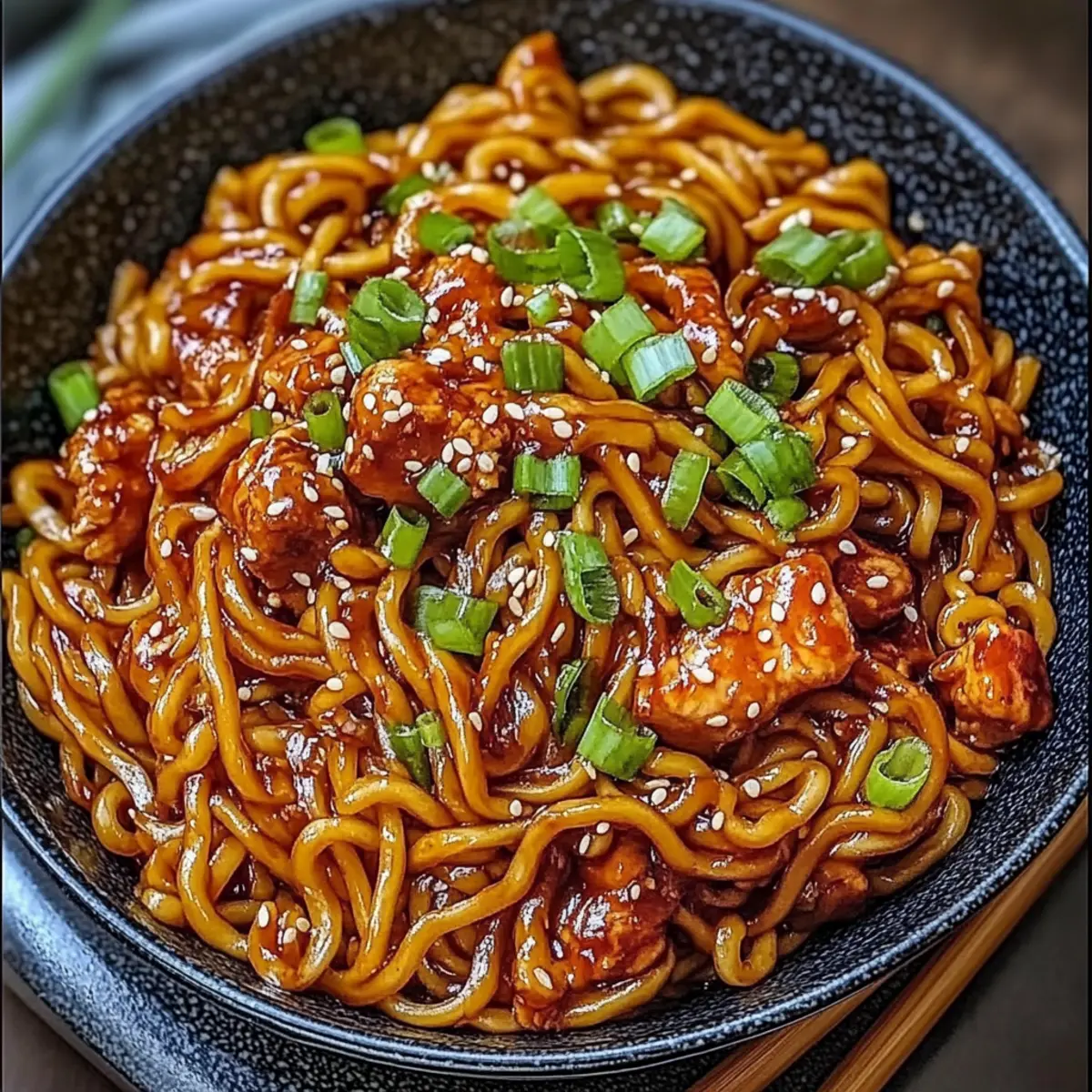
Why are Korean Spicy Chicken Noodles special?
Bold flavors: This recipe features the dynamic interplay of gochujang and garlic, delivering a pleasing heat that lingers just enough to leave you wanting more.
Easily adaptable: Whether you’re craving tender chicken or a plant-based delight, this dish works beautifully with tofu or even extra veggies, making it perfect for any palate.
Quick and simple: In just 35 minutes, you can whip up a satisfying meal, perfect for busy weeknights or unexpected guests.
Delicious leftovers: Any extra noodles taste even better the next day, infused with the rich sauce that gets even bolder over time.
Crowd-pleaser: Serve this up at your next dinner party, and prepare for compliments! The vibrant presentation and enticing aroma steal the show. If you enjoy this recipe, you might also love Garlic Chicken Noodles for another delightful twist on noodle dishes!
Korean Spicy Chicken Noodles Ingredients
• Get ready to cook up a storm with these essential ingredients that make your Korean Spicy Chicken Noodles burst with flavor!
For the Noodles
- Fresh Ramen or Udon Noodles – The perfect chewy base; for a quick alternative, use dried udon or thick spaghetti.
For the Chicken
- Boneless Chicken Thighs – Juicy and tender; feel free to swap with firm tofu, mushrooms, or pork belly for a different twist.
For the Sauce
- Gochujang (Korean Chili Paste) – The heart of this dish, bringing the signature spice and depth; add more for extra heat or use spicy miso if you’re in a pinch.
- Soy Sauce – Essential for that umami kick, tying all flavors together.
- Brown Sugar – This gives a touch of sweetness to balance the heat; white sugar can work in a squeeze, but brown adds a richer flavor.
- Sesame Oil – Adds a nutty richness to the sauce; a little goes a long way!
- Garlic – Fresh minced garlic infuses the dish with aromatic depth that’s simply irresistible.
For Garnish
- Scallions – A fresh, crunchy touch that lifts the dish visually and flavor-wise.
- Sesame Seeds – A delightful nutty crunch that adds to your plating and flavor profile.
Now that you’ve gathered everything you need, get ready for a culinary adventure in just 35 minutes!
Step‑by‑Step Instructions for Korean Spicy Chicken Noodles
Step 1: Cook Noodles
Start by bringing a large pot of water to a rolling boil over high heat. Once boiling, add fresh ramen or udon noodles and cook according to package directions until just tender, about 3-4 minutes. Drain the noodles and rinse them under cold water to stop the cooking process; set aside in a colander while you prepare the sauce.
Step 2: Prepare Sauce
In a medium bowl, combine 2 tablespoons of gochujang, 2 tablespoons of soy sauce, 1 tablespoon of brown sugar, 1 tablespoon of sesame oil, and 2 cloves of minced garlic. Whisk these ingredients together until smooth; if the mixture is too thick, add a splash of water to reach a pourable consistency. This vibrant sauce will add depth to your Korean Spicy Chicken Noodles.
Step 3: Cook Chicken
Heat a large skillet over medium-high heat and drizzle in 1 tablespoon of oil. Once the oil is shimmering, add 1 pound of boneless chicken thighs, seasoned with salt and pepper. Sauté the chicken for about 6-8 minutes, flipping occasionally, until it’s golden brown and cooked through, with an internal temperature of 165°F; remove from heat and slice into bite-sized pieces.
Step 4: Combine
Return the cooked chicken to the skillet and pour the prepared sauce over the top. Stir well to coat the chicken evenly, then continue cooking for an additional 2-3 minutes, allowing the sauce to thicken and become glossy. This step is crucial for intensifying the flavors in your Korean Spicy Chicken Noodles.
Step 5: Mix Noodles
Gently add the drained noodles to the skillet with the chicken and sauce. Using tongs, toss everything together until the noodles are thoroughly coated and heated through, about 1-2 minutes more. Make sure each strand of noodle is enveloped in the delicious gochujang sauce for a mouthwatering finish.
Step 6: Serve
Transfer your Korean Spicy Chicken Noodles onto serving bowls. Garnish generously with sliced scallions and a sprinkle of sesame seeds for an added crunch and visual appeal. Serve hot, and watch as everyone delights in the cozy, comforting flavors of this dish!
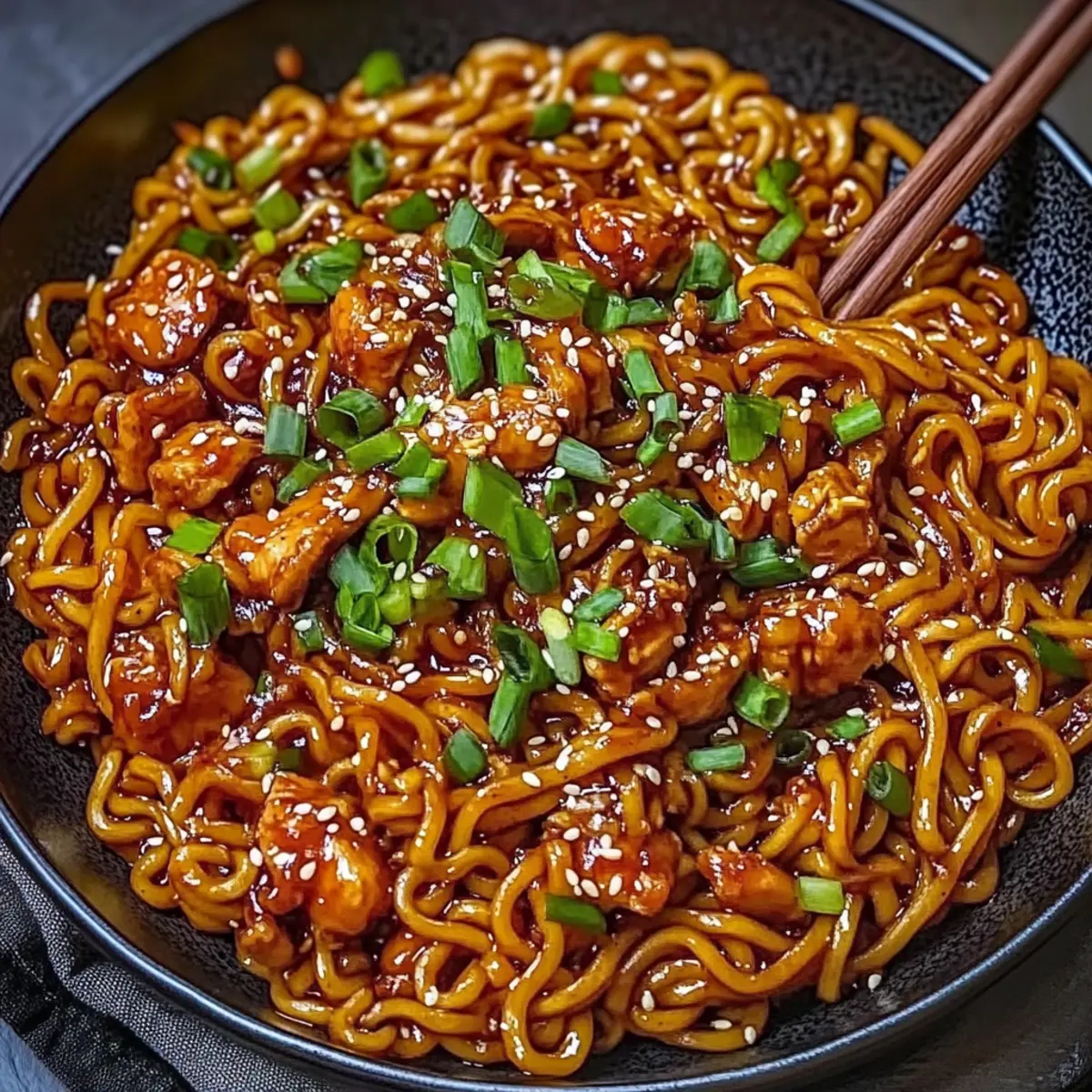
Expert Tips for Korean Spicy Chicken Noodles
• Quality Ingredients: Use high-quality gochujang for the best flavor. Not all chili pastes are created equal; authentic brands provide depth and perfect spice.
• Adjust Spice Level: If you’re unsure about the heat, start with less gochujang and gradually add more to suit your taste. This way, you’ll enjoy the dish without overwhelming heat.
• Noodle Consistency: If using fresh noodles, avoid overcooking them. They should be just tender before tossing in the sauce. Dried noodles are also a great option for achieving that lovely chew.
• Mix and Match: Feel free to customize your protein! Firm tofu or a medley of colorful vegetables like bell peppers or zucchini can make your Korean Spicy Chicken Noodles just as delightful.
• Save for Later: Leftovers taste even better the next day! Storage will intensify the flavors, so don’t hesitate to make a bigger batch for delicious meals ahead.
Korean Spicy Chicken Noodles: Customization Ideas
Feel free to put your own spin on these delicious Korean spicy chicken noodles and make them uniquely yours!
-
Vegetarian Delight: Substitute chicken with firm tofu or sautéed mushrooms for a hearty vegetarian version.
Tofu absorbs flavors beautifully, making every bite a burst of umami goodness. Pair it with vibrant bell peppers for added color and texture! -
Heat it Up: Increase the amount of gochujang for an extra kick, or add red pepper flakes to elevate the spice level.
Spice enthusiasts will enjoy the challenge of balancing heat with the dish’s sweetness. Your taste buds will thank you! -
Korean BBQ Twist: Incorporate sliced marinated beef or pork belly for a Korean barbecue-inspired version.
This variation brings smoky flavors to the dish, adding another layer of delicious complexity that’s perfect for cravings. -
Nutty Flavor Boost: Drizzle toasted sesame oil on top for an additional layer of nutty richness.
The warm aroma will entice anyone nearby, offering a comforting essence to each serving. -
Veggie Medley: Toss in some colorful vegetables like carrots, bok choy, or snap peas for added nutrients and crunch.
They not only enhance the dish’s nutrition profile but also add delightful textures and vibrant colors that make it truly inviting. -
Get Saucy: Swap half of the gochujang with spicy miso for a different flavor profile that’s equally tempting.
This alternative will introduce a unique depth, enriching the overall experience of your Korean noodles. -
Seasonal Surprise: Use seasonal veggies like asparagus or zucchini when they’re fresh for a delightful twist.
Enjoying what’s in season keeps things interesting, and you’ll love the burst of freshness they contribute. -
Coconut Kiss: Add a splash of coconut milk for a creamy, tropical flavor that marries perfectly with spice.
This unexpected touch will transport you to a different culinary oasis, making every spoonful a moment to savor.
For more exciting noodle experiences, don’t miss out on trying the bold flavors in Spicy Southern Cheesy Chicken Spaghetti Casserole or savor the warmth of Dragon Chicken Spicy. Happy cooking!
What to Serve with Korean Spicy Chicken Noodles
Pairing your dish with the right accompaniments can create a memorable meal experience for everyone at your table.
-
Kimchi: This iconic fermented side adds a spicy tang that complements the noodles’ rich flavors, making each bite an adventure.
-
Cucumber Salad: A refreshing contrast! Crisp cucumbers dressed with a light vinegar dressing cleanse the palate and balance the heat beautifully.
-
Garlic Butter Bread: Soft, warm slices of garlic butter bread are perfect for soaking up excess sauce – a comforting, flavorful addition everyone will love.
-
Pickled Radishes: Offering a crunchy crunch and a slight sweetness, these pickled delights provide a vibrant contrast that brightens the whole plate.
-
Steamed Vegetables: Lightly seasoned broccoli or bok choy bring color, nutrition, and subtle flavors, enhancing the overall meal without overpowering the noodles.
-
Cold Korean Beer: Refresh your palate with a chilled lager. Its crispness mellows the spice, creating the perfect beverage pairing for this bold dish.
-
Soju Cocktail: Add a playful twist with a fruity soju cocktail. Its sweetness beautifully balances the heat of the gochujang, leaving you wanting another sip.
-
Sesame Mochi Balls: End on a sweet note! These chewy treats provide a delightful contrast to the spicy noodles, offering a gentle sweetness that’s simply irresistible.
How to Store and Freeze Korean Spicy Chicken Noodles
Fridge: Store any leftover Korean Spicy Chicken Noodles in an airtight container for up to 3 days. Be sure to separate the noodles from the sauce for better texture retention.
Freezer: For longer storage, you can freeze the chicken and sauce mixture in a freezer-safe container for up to 2 months. Noodles are best cooked fresh, so freeze them separately if needed.
Reheating: To reheat, thaw frozen chicken and sauce overnight in the fridge. Warm it in a skillet over medium heat and add freshly cooked noodles for the best texture.
Make-Ahead Tips: Prep the sauce and cooked chicken ahead of time and store separately; combine with freshly made noodles when ready to serve for a quick meal.
Make Ahead Options
These Korean Spicy Chicken Noodles are perfect for meal prep, making your weeknights smoother and stress-free! You can marinate the chicken in the gochujang sauce and refrigerate it up to 24 hours in advance, allowing those flavors to penetrate deeply. Additionally, the sauce can be prepared and stored in an airtight container for up to 3 days in the fridge. When it’s time to enjoy, simply cook the noodles as directed, sauté the marinated chicken until cooked through, and combine with the noodles and sauce for a quick, satisfying meal. This make-ahead strategy ensures your dinner is just as delicious and full of flavor, saving you valuable time and energy during busy evenings!
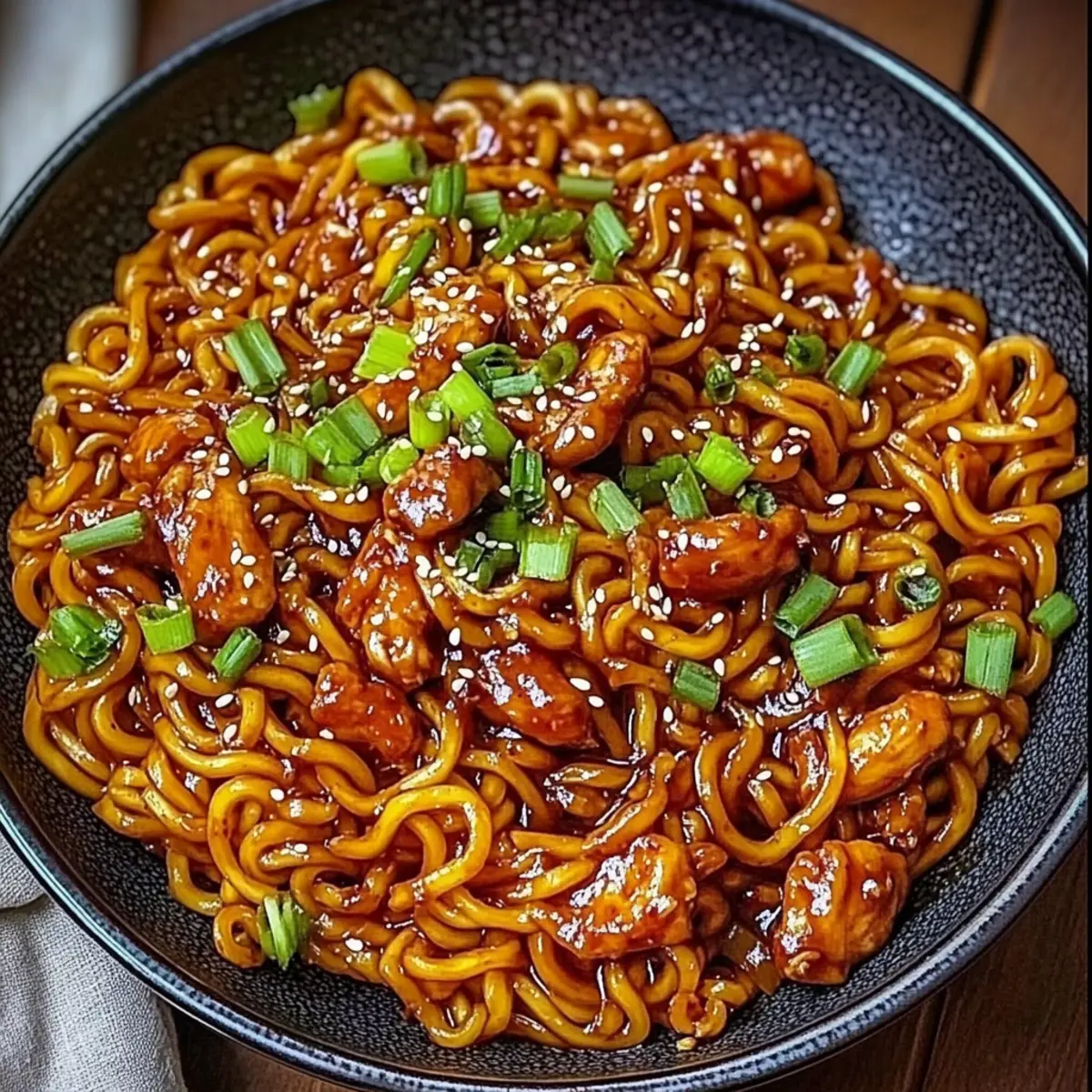
Korean Spicy Chicken Noodles Recipe FAQs
What kind of noodles are best for Korean Spicy Chicken Noodles?
I recommend using fresh ramen or udon noodles for the best chewy texture. However, if fresh noodles aren’t available, dried udon or thick spaghetti can work as great substitutes. When using dried noodles, be sure to cook them according to package instructions but slightly less than the recommended time to ensure they don’t become mushy when combined with the sauce.
How should I store leftovers of Korean Spicy Chicken Noodles?
Store any leftovers in an airtight container in the fridge for up to 3 days. It’s best to keep the noodles and sauce separate to maintain the noodles’ texture. Just reheat the noodles gently in a skillet before adding the sauce back in for a delicious meal!
Can I freeze Korean Spicy Chicken Noodles?
Absolutely! For freezing, place the cooked chicken and sauce mixture in a freezer-safe container, where it can last for up to 2 months. Make sure to freeze uncooked noodles separately, as they are best when freshly made. When you’re ready to enjoy, thaw the chicken and sauce overnight in the fridge, sauté it over medium heat, and serve with freshly cooked noodles.
What can I do if my sauce is too thick or not flavorful enough?
If you find your sauce too thick, simply whisk in a little water until you reach the desired consistency. If the flavor doesn’t pop as much as you’d like, adding an extra splash of soy sauce or a little more gochujang can really elevate it. Just taste as you go to ensure the flavors align with your preferences!
Are there any dietary considerations I should keep in mind?
Definitely! For a vegetarian or vegan version of Korean Spicy Chicken Noodles, substitute the chicken with firm tofu or a mix of vibrant vegetables like bell peppers, zucchini, or mushrooms. Always check your sauce ingredients too, as some brands contain fish sauce or other non-vegan elements. If you have specific allergies, be sure to avoid those triggers, but this dish is quite versatile and can easily be adapted for most dietary needs.
Can I use a different protein in this recipe?
Yes! If chicken isn’t your favorite, feel free to swap it with pork belly, shrimp, or even a veggie-rich mix if you’re going vegan. Each alternative brings a unique twist to your Korean Spicy Chicken Noodles, allowing you to personalize the dish to suit your taste and dietary needs!
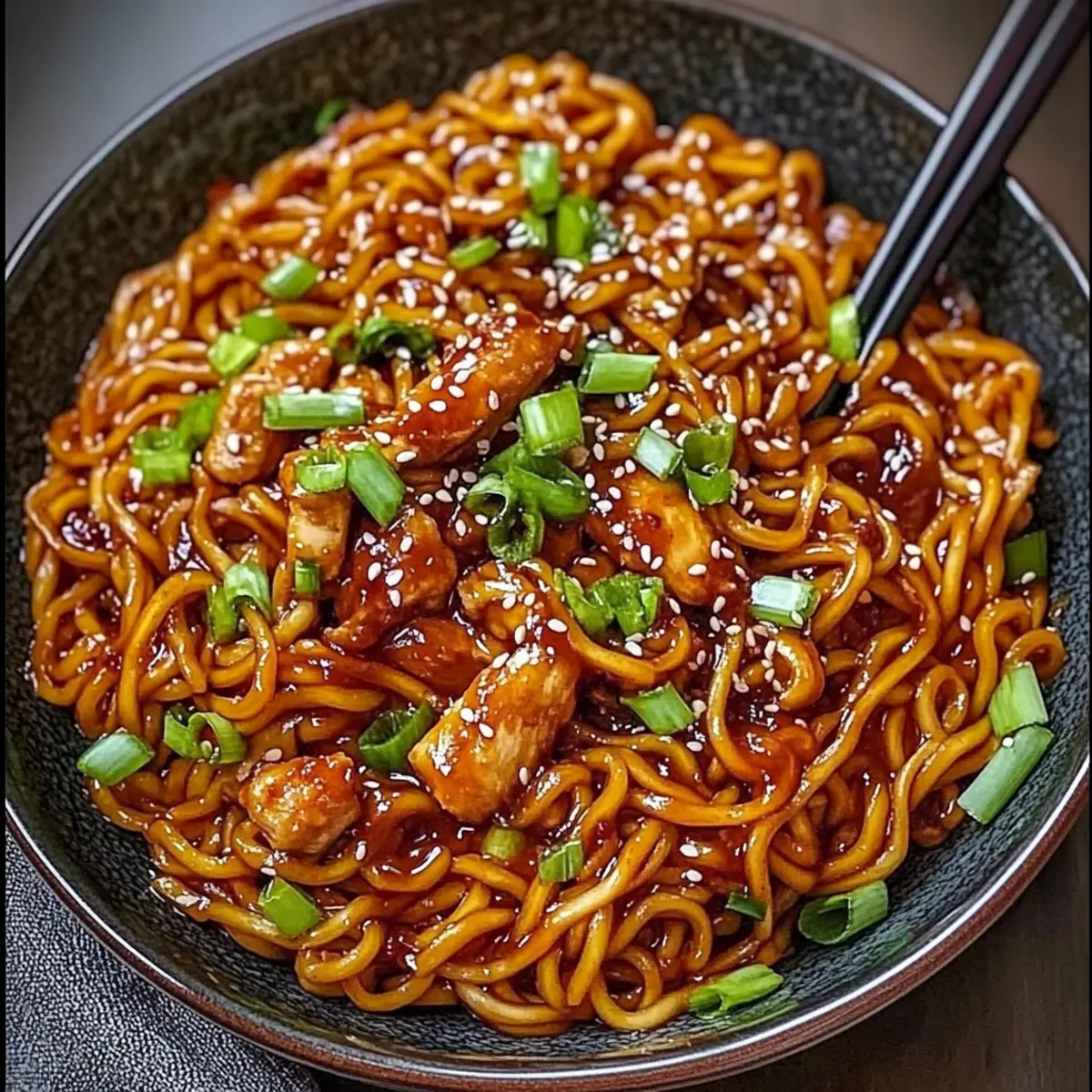
Korean Spicy Chicken Noodles: Bold Flavor in Every Bite
Ingredients
Equipment
Method
- Start by bringing a large pot of water to a rolling boil over high heat. Add noodles and cook according to package directions (3-4 minutes). Drain and rinse under cold water; set aside.
- In a medium bowl, combine gochujang, soy sauce, brown sugar, sesame oil, and minced garlic. Whisk until smooth and pourable.
- Heat a skillet over medium-high heat, drizzle in oil. Add chicken, season with salt and pepper, and sauté until golden brown (6-8 minutes); remove and slice.
- Return chicken to the skillet, pour the sauce over, and stir to coat evenly. Cook for an additional 2-3 minutes until sauce thickens.
- Gently add the drained noodles to the skillet. Toss with tongs until noodles are well-coated and heated through (1-2 minutes).
- Transfer to serving bowls and garnish with scallions and sesame seeds. Serve hot.
Leave a Reply