
As I stood in my kitchen, the scent of sautéed garlic wafting through the air, I remembered why I love cooking at home. Today, I’m excited to share my recipe for Quick & Easy Sautéed Napa Cabbage with Soy Garlic Sauce. This vibrant dish is not only a delightful addition to any Asian-inspired meal but also a fantastic way to add a healthy, low-calorie side to your dinner table. In just a few minutes, you can enjoy tender-crisp leaves drizzled with a savory soy sauce that bursts with umami, all while keeping things vegetarian and gluten-free if needed. With only about 104 calories per serving, it’s the perfect guilt-free indulgence! Are you ready to elevate your next meal with this simple yet flavorful side? Let’s dive in!
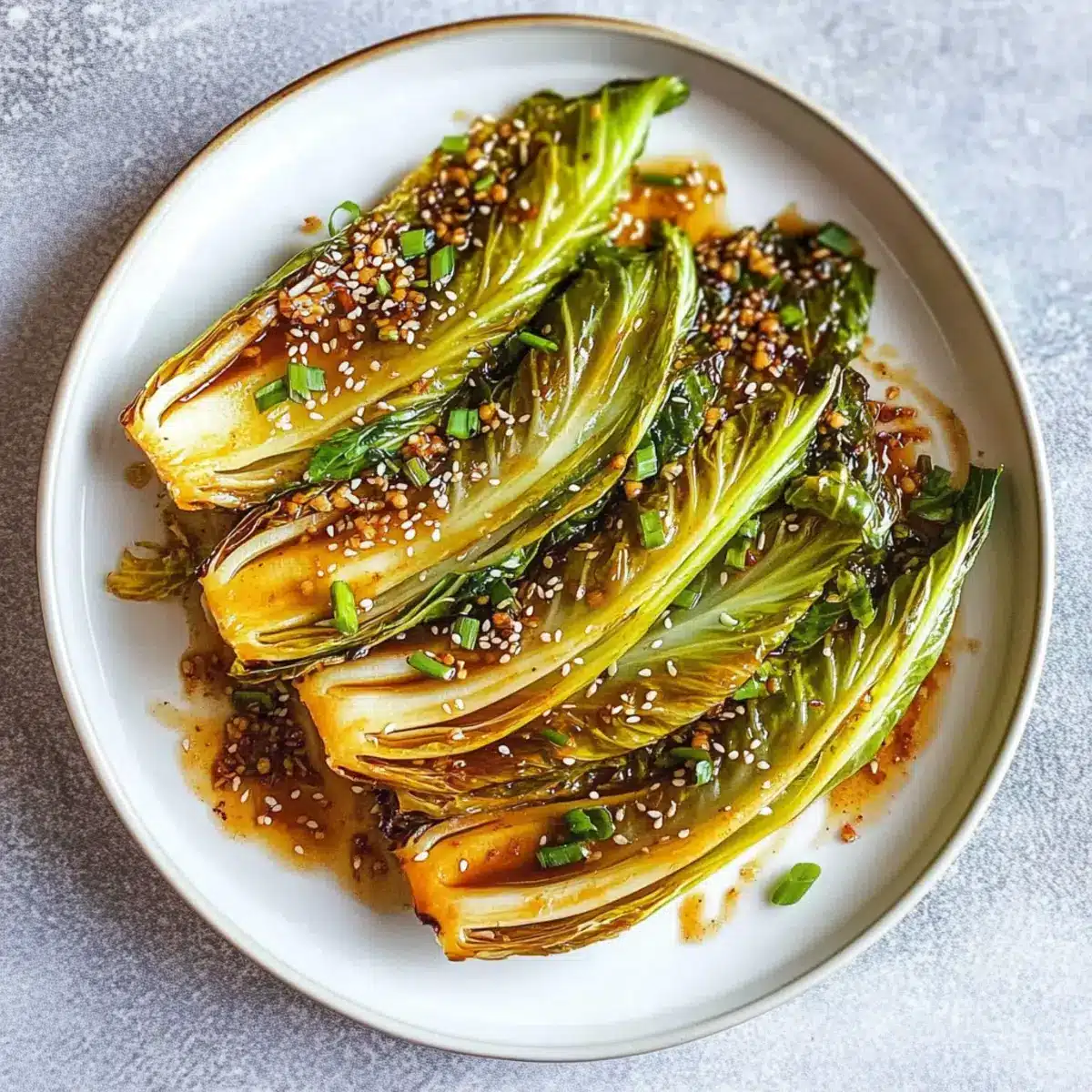
Why is Sautéed Napa Cabbage a Must-Try?
Quick, Easy Preparation: The beauty of this dish lies in its simplicity! In just 10 minutes, you can whip up a delicious side that impresses family and guests alike.
Flavor-Packed: The soy garlic sauce adds a savory depth that perfectly complements the tender-crisp cabbage, elevating your dining experience without overwhelming your palate.
Health-Conscious Choice: With only 104 calories per serving, this sautéed Napa cabbage is an excellent option for anyone looking to indulge while staying on track with their healthy eating goals.
Versatile Pairing: Whether you’re serving it alongside grilled chicken, tofu, or with a bowl of miso soup, this sautéed delight fits seamlessly into any meal!
Sautéed Napa Cabbage Ingredients
For the Cabbage
• Napa Cabbage – This main ingredient provides a mild and slightly sweet flavor; you can substitute with regular cabbage for a firmer texture.
For the Sauce
• Olive Oil – Essential for cooking and adding richness; feel free to switch to vegetable or sesame oil if desired.
• Soy Sauce – Delivers a savory umami flavor; remember to use gluten-free soy sauce for a gluten-free option.
• Mirin or Rice Vinegar + Sugar – Adds a sweet and tangy element; if you don’t have mirin, mix rice vinegar with a pinch of sugar or honey.
• Sesame Oil – Imparts a nutty aroma and flavor that’s key to authenticity.
• Garlic – Minced to enhance the aromatic flavor profile.
• Lemon Juice – Provides brightness to balance the savory flavors.
For Garnish
• Sesame Seeds – Adds a delightful crunch and visual appeal.
• Chives or Spring Onions – Provides a fresh, oniony kick for garnish, enhancing both flavor and presentation.
Step‑by‑Step Instructions for Sautéed Napa Cabbage
Step 1: Prepare the Sauce
In a small bowl, combine soy sauce, mirin (or your substitute), sesame oil, minced garlic, and lemon juice. Whisk until well mixed and set aside. This savory sauce will infuse the sautéed Napa cabbage with rich flavors, elevating it to a delightful side dish.
Step 2: Heat the Oil
In a large skillet, heat 2 tablespoons of olive oil over medium-high heat. Allow the oil to shimmer for about 1 minute, signaling that it’s hot enough for cooking. The warmth of the oil will not only prevent sticking but also enhance the cooking process for your cabbage, creating a beautiful sauté.
Step 3: Sauté the Cabbage
Next, add the quartered Napa cabbage to the skillet, ensuring it’s evenly spread out. Cover the pan with a lid and cook for approximately 2 minutes, allowing the cabbage to soften slightly. You’ll notice the leaves turning vibrant and bright, which means they are absorbing the heat.
Step 4: Flip and Add Sauce
After 2 minutes, carefully flip the cabbage with tongs to ensure even cooking. Drizzle the prepared sauce over the cabbage and replace the lid, cooking for an additional 30 seconds. This quick step allows the sauce to caramelize slightly, creating a delicious glaze that enhances the dish’s flavor.
Step 5: Serve and Garnish
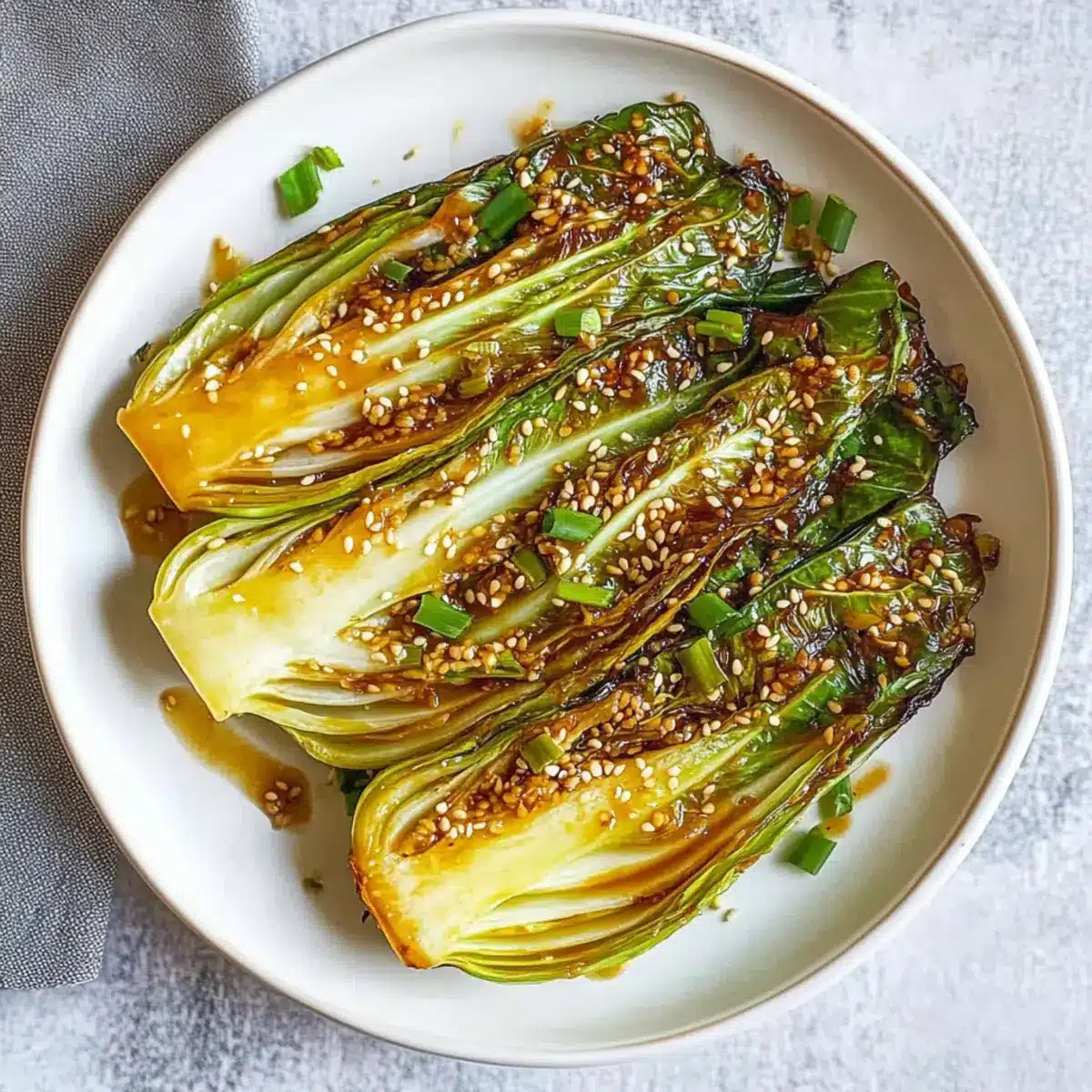
Once done, remove the sautéed Napa cabbage from heat. Serve it immediately on a warm plate, garnished with a sprinkle of sesame seeds and chopped chives or spring onions. The beautiful colors and inviting aroma of your sautéed Napa cabbage will surely impress everyone at the table!
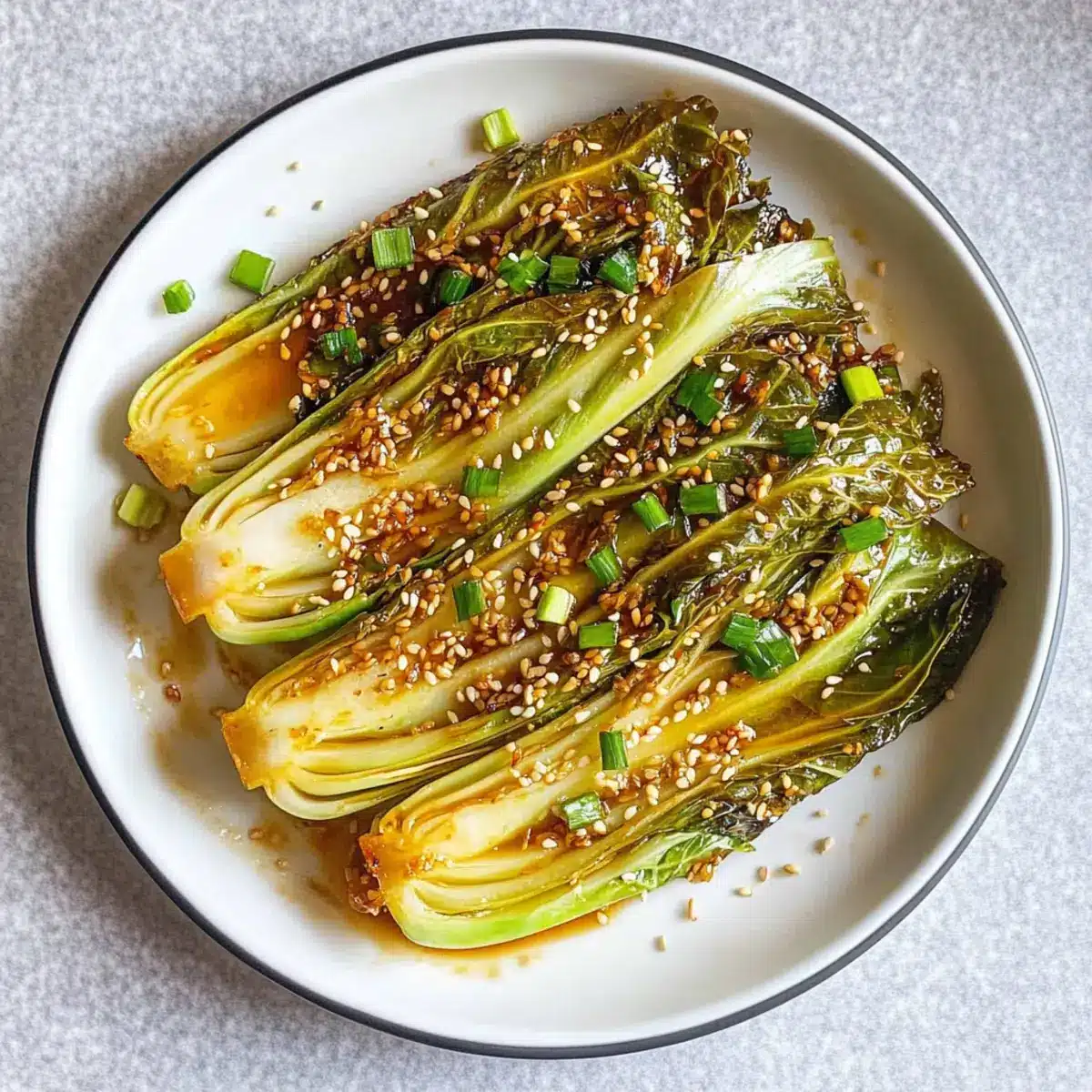
Expert Tips for Sautéed Napa Cabbage
• Adjust for Texture: Experiment with cooking time based on your preference—shorter for crispiness and longer for tenderness in sautéed Napa cabbage.
• Spice It Up: For an exciting twist, add a splash of chili sauce or Sriracha to your sauce mixture for a flavorful kick.
• Oil Temperature Matters: Ensure your olive oil is hot enough before adding the cabbage; this helps in achieving that delightful caramelization without burning the sauce.
• Don’t Overcrowd the Pan: Sauté in batches if necessary; overcrowding can lead to steaming instead of searing, affecting the texture and flavor.
• Diverse Garnishing: Enhance the dish’s flavor and presentation by using a mix of sesame seeds and chopped herbs like chives for a fresh touch.
Make Ahead Options
These Sautéed Napa Cabbage preparations are perfect for busy home cooks looking to save time during the week! You can chop and quarter the Napa cabbage up to 24 hours in advance, storing it in an airtight container in the refrigerator to maintain its freshness. Additionally, feel free to prepare the soy garlic sauce a week ahead and keep it refrigerated as well, ensuring the flavors meld beautifully over time. When it’s time to serve, just heat the olive oil in a skillet, sauté the cabbage for a few minutes, drizzle the prepared sauce, and enjoy delicious, restaurant-quality Sautéed Napa Cabbage with minimal effort!
How to Store and Freeze Sautéed Napa Cabbage
Fridge: Store leftovers in an airtight container for up to 3 days. This helps retain the texture and flavor of your sautéed Napa cabbage.
Freezer: While not ideal for freezing, you can store it in a freezer-safe container for up to 1 month. Be aware that texture may change upon reheating.
Reheating: Gently reheat in a skillet over medium heat, adding a splash of water or oil if needed to refresh the flavors and moisture.
Make-Ahead Tip: Prepare the sauce up to a week in advance and store in the fridge for easy assembly later.
What to Serve with Quick & Easy Sautéed Napa Cabbage
Elevate your meal with delightful pairings that enhance the flavors and textures of this vibrant side dish.
- Steamed Jasmine Rice: Fluffy and fragrant, jasmine rice absorbs the savory soy garlic sauce, making each bite deliciously satisfying.
- Grilled Chicken: Juicy and tender, grilled chicken brings a savory depth that complements the sweetness of sautéed Napa cabbage.
- Baked Tofu: Crispy on the outside and soft inside, baked tofu adds plant-based protein, making it a perfect vegetarian pairing.
- Miso Soup: This warm, umami-rich soup contrasts beautifully with the crisp, refreshing cabbage, creating a harmonious Asian-inspired meal.
- Sesame Noodles: The nutty flavor of sesame noodles offers a delightful balance to the fresh taste of sautéed Napa cabbage.
- Pickled Vegetables: Tart, tangy pickles add brightness and crunch, enhancing the experience while providing a delightful texture contrast.
- Chilled Sake: A glass of chilled sake amplifies the umami notes of the cabbage, creating a sophisticated pairing for dinner.
- Chocolate Mousse: To round off the meal, the rich, creamy texture of chocolate mousse creates a decadent yet light dessert after your savory dish.
Sautéed Napa Cabbage Variations to Explore
Feel free to play with flavors and ingredients to make this sautéed Napa cabbage your own delicious creation!
- Gluten-Free: Use gluten-free soy sauce to keep this recipe safe for gluten-sensitive diners without sacrificing taste.
- Spicy Kick: Add Sriracha or chili paste to the sauce for a delightful heat that can make your mouth water with anticipation.
- Crunchy Texture: Toss in slivered almonds or chopped walnuts while sautéing for an irresistible nutty crunch that pairs beautifully with the cabbage.
- Add Color: Mix in bell peppers or carrots, sliced into thin strips, during sautéing for a pop of color and more vitamins—making it not just a side but a feast for the eyes!
- Herb Infusion: Experiment by adding fresh ginger or cilantro to the sauce, introducing aromatic layers that brighten each bite.
- Citrus Variation: Swap out the lemon juice for lime juice for a zingy twist that will surprise and delight your taste buds.
- Creamy Element: Stir in a spoonful of coconut cream or tofu for a richer, creamier consistency while remaining vegan and low-calorie.
- Asian Influence: For deeper flavor, incorporate oyster sauce or Hoisin for an umami punch, transforming the sautéed Napa cabbage into a star of the table.
Get creative and don’t hesitate to customize your sautéed Napa cabbage—each tweak can create a new favorite that you’ll want to share! If you’re looking for other delightful side dishes to accompany this one, consider trying some easy Asian-inspired recipes, or explore the wonderful world of vegetarian cuisine to find more options that bring flavor to your dining table.
Sautéed Napa Cabbage Recipe FAQs
How do I choose ripe Napa cabbage?
Absolutely! Look for Napa cabbage that is crisp and firm with vibrant green leaves. Avoid any that have dark spots or wilting, as these indicate spoilage. Fresh leaves should be tightly packed together and feel heavy for their size.
How should I store leftover sautéed Napa cabbage?
Very simply! Place your leftovers in an airtight container and store them in the refrigerator for up to 3 days. This method helps maintain flavor and texture, making it easy to enjoy your delicious creation again.
Can I freeze sautéed Napa cabbage?
Technically, you can! Place your sautéed Napa cabbage in a freezer-safe container and store it for up to 1 month. However, be aware that the texture may become mushy upon reheating. When you’re ready to enjoy it, look for the best way to gently reheat in a skillet with a little added water or oil to refresh its flavors.
What if my sautéed Napa cabbage turns out soggy?
No worries! If your sautéed Napa cabbage ends up soggy, it might be due to overcrowding the pan or cooking at a lower temperature. Next time, try sautéing in batches to ensure even cooking. If you find it’s already cooked, you can give it a quick sauté over high heat without the lid to help evaporate excess moisture.
Are there any dietary considerations for eating sautéed Napa cabbage?
Definitely! This dish is vegetarian and can be made gluten-free by using gluten-free soy sauce. If you’re allergic to sesame, consider switching out the sesame oil for another oil, like olive or avocado oil, and skip the sesame seed garnish. Always adjust based on your dietary needs.
How can I adjust the ingredients for different flavor profiles?
The more the merrier! Experiment by adding minced ginger for vibrancy or a dash of chili sauce for heat. You can also toss in other vegetables, such as bell peppers or carrots, to create a colorful medley that enhances the flavors of your sautéed Napa cabbage while providing extra nutrients!
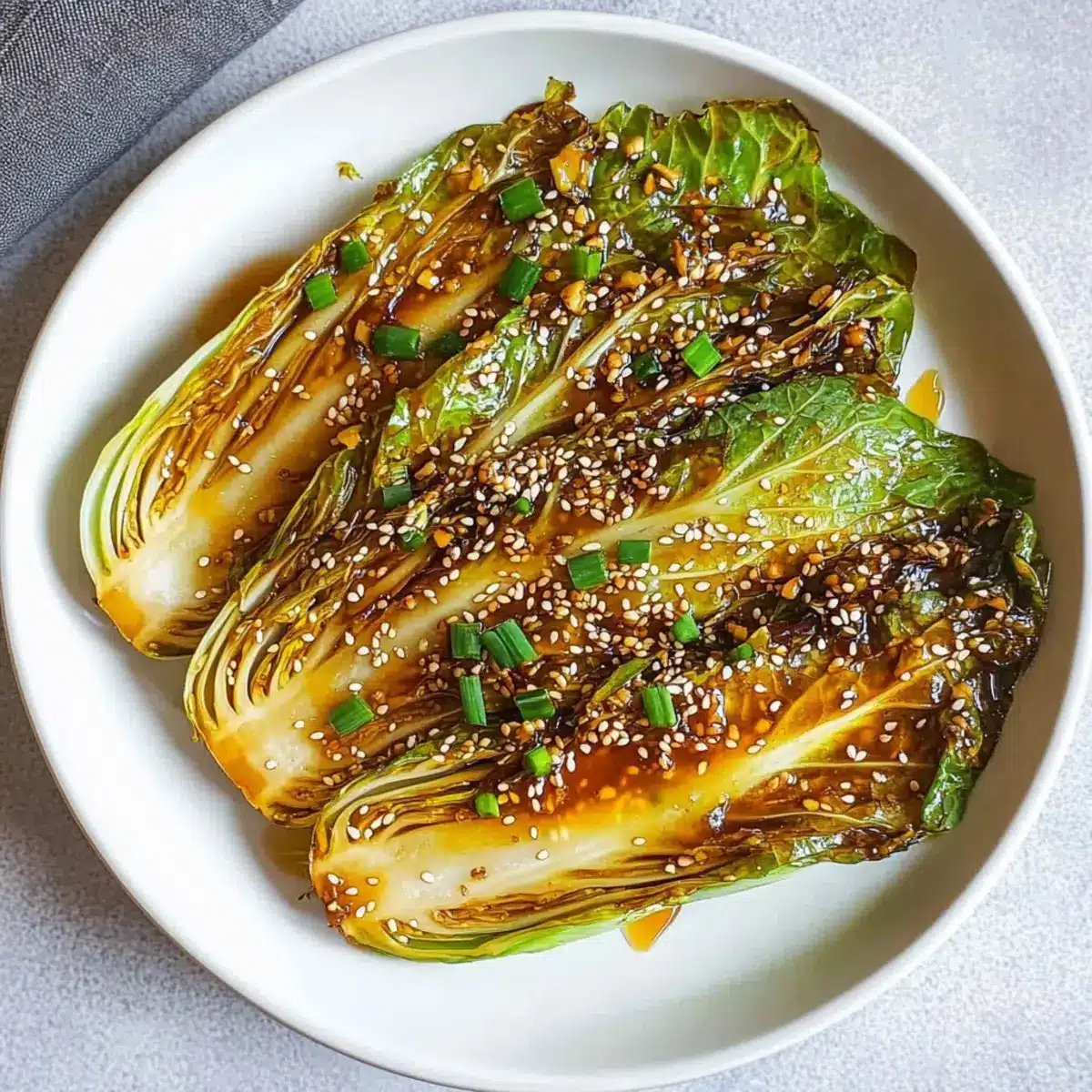
Sautéed Napa Cabbage: Your New Favorite Healthy Side Dish
Ingredients
Equipment
Method
- In a small bowl, combine soy sauce, mirin (or your substitute), sesame oil, minced garlic, and lemon juice. Whisk until well mixed and set aside.
- In a large skillet, heat 2 tablespoons of olive oil over medium-high heat. Allow the oil to shimmer for about 1 minute.
- Add the quartered Napa cabbage to the skillet and cover the pan. Cook for approximately 2 minutes.
- Carefully flip the cabbage with tongs and drizzle the prepared sauce over it. Replace the lid and cook for an additional 30 seconds.
- Remove the sautéed Napa cabbage from heat and serve immediately, garnished with sesame seeds and chopped chives or spring onions.
Leave a Reply