
The rich aroma of braised beef wafting through my kitchen always brings an instant smile. Diving into my rendition of Korean Pot Roast not only transforms the usual weekday dinner but also invites a cozy sense of togetherness. This recipe showcases tender chuck roast simmered in a savory-sweet sauce with hints of garlic, ginger, and gochujang, ensuring an unforgettable flavor experience. With minimal prep time, it promises to please even the pickiest eaters, making it a perfect weeknight dinner option that you’ll crave again and again. Just wait until you see how effortlessly this dish pulls your loved ones from the couch and gathers them around the table! Curious yet about what makes this Korean pot roast so delectably special?
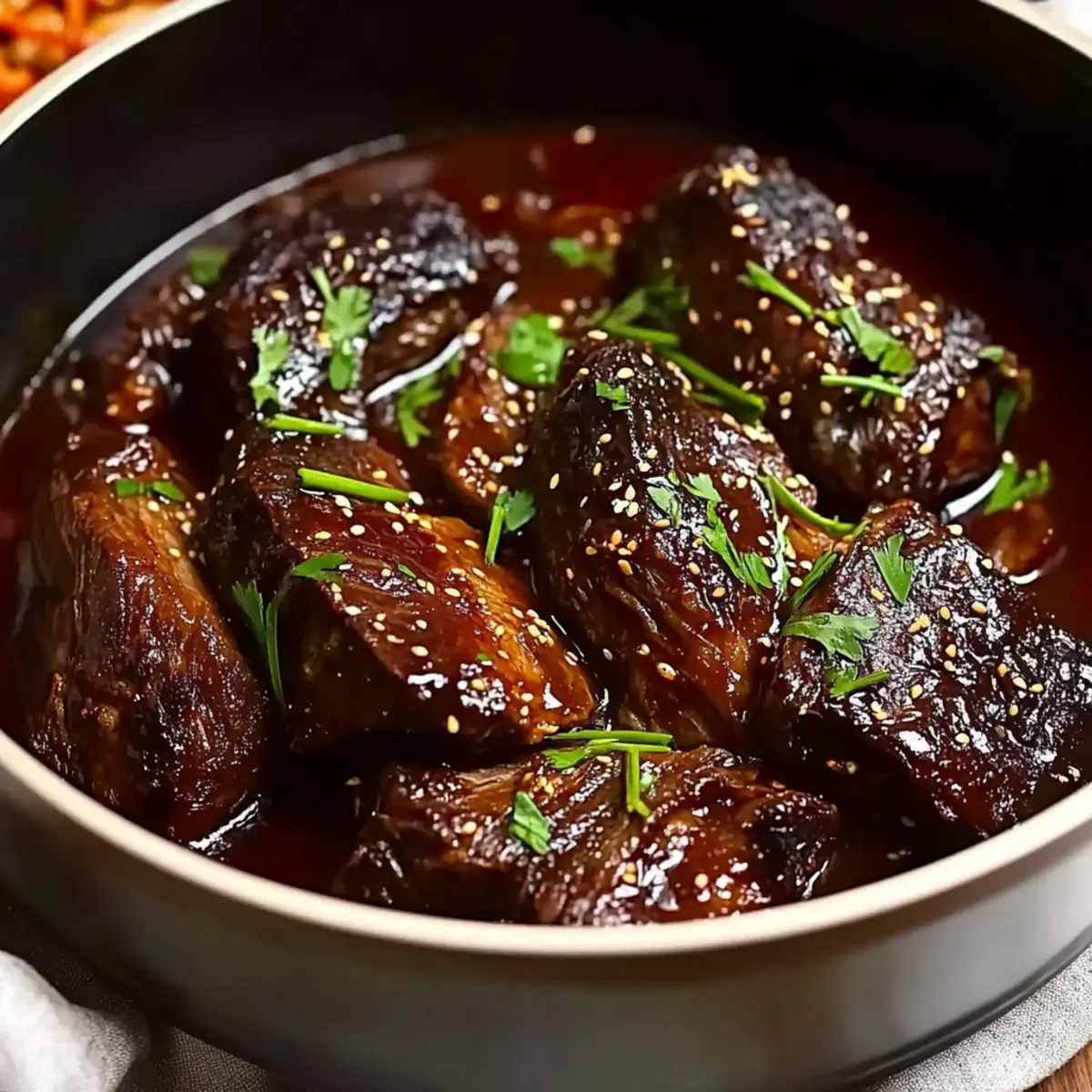
Why Is This Korean Pot Roast Special?
Irresistible Flavor: The blend of gochujang and aromatic herbs creates a unique depth that elevates a traditional pot roast into a spectacular dish.
Effortless Preparation: Minimal hands-on time means you can spend more moments with loved ones instead of in the kitchen.
Family-Friendly: This dish pleases both kids and adults, making it a go-to for any gathering.
Versatile Serving Options: Pair it with steamed rice or alongside roasted vegetables for a complete meal that fits every palate.
Delicious Leftovers: It stores wonderfully and the flavors continue to develop, so you can enjoy it for days—perfect for busy evenings ahead!
Korean Pot Roast Ingredients
For the Beef
• Chuck Roast – A well-marbled cut (4-5 lbs) ensures tender meat throughout the braising process.
For the Aromatics
• Kosher Salt – Enhances the beef’s natural flavor without overwhelming it.
• Sweet Onion – Sliced thinly, it adds a delightful sweetness to the dish.
• Garlic (6 cloves, minced) – Provides a fragrant depth that complements the pot roast beautifully.
• Grated Fresh Ginger (1 tbsp) – Infuses warmth and a classic Asian flavor into the sauce.
For the Sauce
• Vegetable Oil – Used for searing the beef, contributing to an enriching flavor profile.
• Gochujang Paste (2 tbsp) – Introduces a tantalizing spiciness; swap with sambal oelek if you prefer less sweetness.
• Brown Sugar (1/4 cup) – Balances the savory and spicy notes brilliantly.
• Low-Sodium Soy Sauce or Tamari (1/2 cup) – Adds a rich umami depth, and tamari is perfect for gluten-free options.
• Beef Stock (2 cups) – Creates the base for the braising liquid; homemade or low-sodium store-bought both work well.
This Korean pot roast recipe beautifully marries tradition and warmth, ensuring dinner feels like a cozy gathering for the family. Get ready to experience a comforting dish that will become a cherished favorite!
Step‑by‑Step Instructions for Korean Pot Roast
Step 1: Preheat the Oven
Start by preheating your oven to 350°F, ensuring the rack is positioned in the lower third. This temperature is perfect for braising your Korean pot roast, allowing the heat to disperse evenly while your ingredients meld beautifully. Preparing the oven ahead of time guarantees your roast will begin cooking as soon as you’re ready with everything else.
Step 2: Season the Chuck Roast
Next, take your chuck roast and pat it dry with paper towels. Generously season all sides with kosher salt, enhancing the beef’s flavor deeply. This step is crucial for achieving that succulent taste we love in a Korean pot roast. Once seasoned, set the roast aside and let it absorb the salt while you heat your Dutch oven.
Step 3: Heat the Dutch Oven
In a large Dutch oven, pour in vegetable oil and heat it over medium-high until it shimmers, which should take about 3-4 minutes. The shiny surface indicates it’s ready for searing the beef. This step is essential for building that rich, deep flavor that makes the pot roast so irresistible.
Step 4: Brown the Beef
Carefully place the seasoned chuck roast in the hot Dutch oven and allow it to brown for about 5 minutes on each side. You want a deep, golden crust to form, as this caramelization brings incredible richness to your Korean pot roast. Once browned, transfer the beef to a plate and set it aside while you prepare the aromatics.
Step 5: Sauté the Onions
Lower the heat to medium, then add the sliced sweet onions to the same pot. Sauté them for about 4 minutes or until they become soft and translucent. The aromatic sweetness of the onions will start to fill your kitchen, creating a wonderful base for the flavors yet to come.
Step 6: Add Garlic and Ginger
Now, incorporate the minced garlic and grated ginger into the mix, cooking for an additional minute until they’re fragrant. If the mixture begins to brown too quickly, deglaze the pot with a splash of beef stock, scraping up any browned bits at the bottom. This action captures all those delicious flavors that contribute to your Korean pot roast.
Step 7: Stir in the Sauce Ingredients
Next, stir in the gochujang paste, brown sugar, and soy sauce, allowing the mixture to cook for about 1 minute. The colors will brighten, and the sweet, spicy, and savory notes will start to intertwine beautifully. This combination will be the flavorful sauce that seeps into the tender beef during the braising process.
Step 8: Combine the Beef and Stock
Return the browned chuck roast to the pot along with any juices that have collected on the plate. Pour in the remaining beef stock, gently stirring to combine. Bring the mixture to a gentle simmer for 5 minutes, allowing the flavors to marry beautifully right before they join the oven process.
Step 9: Braise in the Oven
Cover the Dutch oven with its lid and carefully transfer it to the preheated oven. Allow the Korean pot roast to braise for 2 hours, or until the beef is fork-tender and easily shreddable. During this time, the low and slow heat will work its magic, infusing the pot roast with rich flavors and tenderness that your family will love.
Step 10: Serve and Enjoy
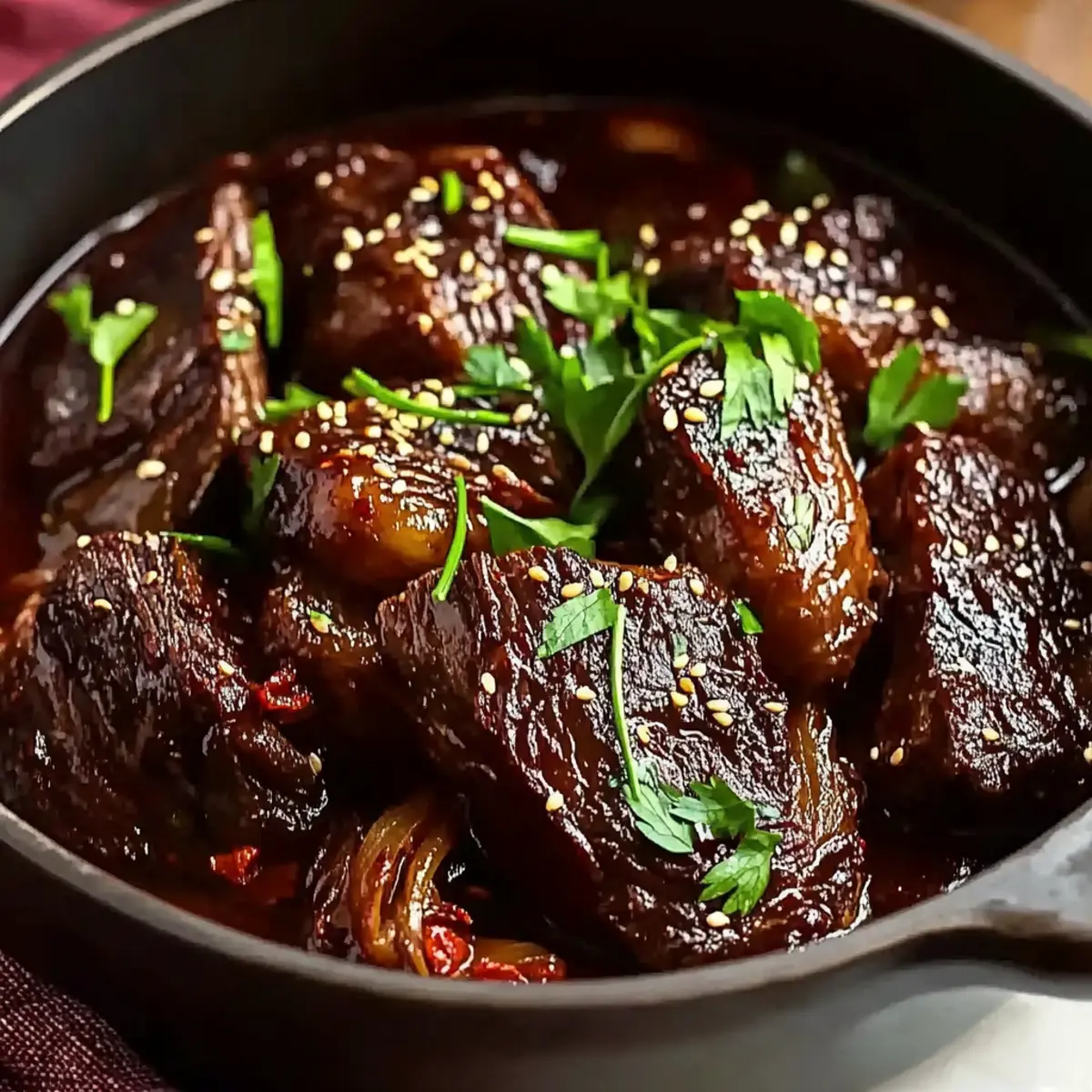
Once cooked, remove the pot from the oven and let the roast rest for about 10-15 minutes. This resting time keeps the juices intact for a sumptuous serving. Plate the Korean pot roast with cooked rice, garnished with fresh cilantro and a side of kimchi for a delightful family-style presentation.
Make Ahead Options
These Korean pot roast preparations are a lifesaver for busy weeknights! You can season the chuck roast and even marinate it in the savory sauce for up to 24 hours in advance; this deepens the flavor and enhances tenderness. Additionally, the sautéed aromatics (onions, garlic, and ginger) can be prepared and refrigerated for up to 3 days. When ready to enjoy, simply heat the aromatics, add the seasoned beef and stock, and braise as instructed. This approach not only saves you time but ensures your Korean pot roast is just as delicious when served. With these make-ahead tips, you’ll have a wholesome meal that brings everyone together effortlessly!
What to Serve with Irresistible Korean Pot Roast
As the rich aroma of this savory dish fills your kitchen, consider these delightful pairings to create a family feast bursting with flavor.
- Steamed White Rice: A classic accompaniment, it soaks up the delicious sauce, making each bite a comforting experience.
- Pickled Cucumber Salad: This refreshing side adds a crisp, tangy bite, balancing the richness of the pot roast perfectly.
- Kimchi: Bringing spice and tang, kimchi not only complements the pot roast’s flavors but also adds a touch of traditional Korean flair to your meal.
- Roasted Bok Choy: Its tender yet crunchy texture provides a delightful contrast while also adding a nutritious green element to your plate.
- Garlic Mashed Potatoes: These creamy potatoes offer a comforting side that contrasts beautifully with the savory notes of the beef.
- Sesame Green Beans: Tossed in sesame oil and lightly sautéed, green beans introduce a nutty flavor and crunch that pairs well with the tender meat.
The perfect pairing can elevate your Korean pot roast experience, turning an ordinary dinner into a memorable gathering of flavors!
Storage Tips for Korean Pot Roast
Fridge: Store your Korean pot roast in an airtight container for up to 4 days to maintain its delicious flavor as it continues to develop.
Freezer: For longer storage, portion the pot roast with sauce into freezer-safe containers, keeping it fresh for up to 3 months—perfect for easy weeknight dinners.
Reheating: Gently warm the pot roast on the stovetop over medium-low heat, or microwave individual portions. Adding beef stock can help retain the sauciness when reheating.
Expert Tips for Korean Pot Roast
-
Low and Slow Cooking: Always braise at a consistent low temperature. Increasing the heat can result in tough meat, so let patience be your guide to tender bliss.
-
Don’t Skip Searing: This step is crucial for developing a deep, rich flavor. Make sure to get that golden-brown crust on your chuck roast.
-
Liquid Matters: Stick to the recipe’s liquid amounts. Adding too much can make the sauce watery, diluting that beautiful depth of flavor in your Korean pot roast.
-
Resting the Meat: After cooking, let your pot roast rest for 10-15 minutes. This allows the juices to redistribute, ensuring every bite is juicy and delicious.
-
Perfect Sauce Consistency: If you want a thicker sauce, you can simmer it on the stovetop after braising. Just add a bit of cornstarch mixed with water to thicken it up.
Korean Pot Roast Variations & Substitutions
Feel free to get creative with this Korean pot roast recipe and make it your own!
- Beef Swap: Use brisket or round roast for a different flavor and texture while still achieving tender meat.
- Sweetness Variation: Replace brown sugar with honey or maple syrup for a unique sweetness that adds depth to the glaze.
- Vegetable Boost: Add carrots, bell peppers, or mushrooms during braising for extra nutrition and delightful texture.
- Heat It Up: For a spicier kick, stir in sliced jalapeños or an extra tablespoon of gochugaru (Korean chili flakes) to amplify the heat.
- Soy Sauce Alternatives: Opt for coconut aminos for a soy-free option that maintains a savory profile without the gluten.
- Herb Twist: Incorporate fresh herbs like thyme or rosemary during cooking for an aromatic, earthy flavor that complements the dish beautifully.
- Vegetarian Version: Make it plant-based by using mushroom stock and substituting the beef with seitan or mushrooms for a hearty alternative.
- Serving Style: Instead of rice, serve the pot roast over mashed potatoes or noodles for a comforting twist that adds a creamy texture to the meal.
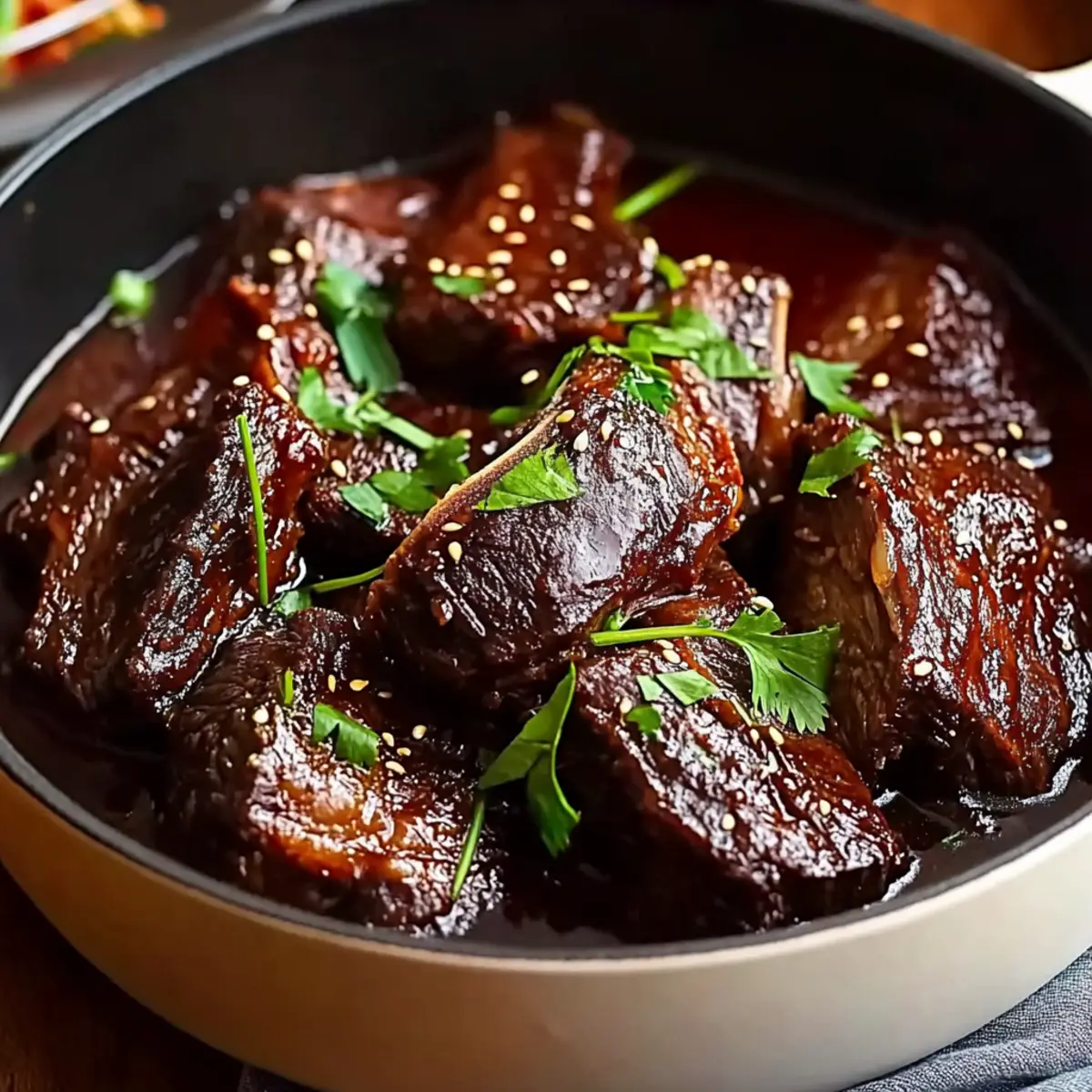
Whichever way you choose to tweak this recipe, you’ll still have a comforting and flavorful dish that brings everyone around the table. For more delightful Asian-inspired meals, check out my recipe for Korean Potato Cheese or a quick Korean BBQ Steak that complements this delicious pot roast!
Korean Pot Roast Recipe FAQs
What kind of chuck roast should I use for Korean pot roast?
I recommend choosing a well-marbled chuck roast weighing between 4-5 lbs. The marbling is key to maintaining tenderness during cooking, allowing the flavors to permeate the meat beautifully. A higher fat content also adds richness to your pot roast.
How long can I store leftovers in the refrigerator?
Your Korean pot roast will stay fresh in the refrigerator for about 4 days. Be sure to store it in an airtight container to keep those delicious flavors sealed in while it rests. The flavors only intensify, making it even more delightful when reheated!
Can I freeze Korean pot roast, and if so, how?
Absolutely! To freeze, let the pot roast cool completely, then portion it with the sauce into freezer-safe containers. This method keeps it fresh for up to 3 months. When you’re ready to enjoy it again, just pull a container from the freezer and let it thaw in the fridge overnight before reheating!
What should I do if the meat turns out tough?
If your pot roast turns out tough, it may need more braising time. Ensure that it’s cooked at a consistent low temperature, around 350°F, and be patient. If you’ve already cooked it, return it to the oven with a bit more beef stock and allow it to braise for another 30-60 minutes until fork-tender. The goal is to let it simmer gently to break down the fibers in the meat.
Are there any dietary considerations I should keep in mind?
If you have dietary restrictions, tamari can be used as a gluten-free alternative to soy sauce in this recipe. For those with spice sensitivities, consider using less gochujang or substituting it with sambal oelek for a milder flavor. Always consult with a healthcare provider if allergies or dietary restrictions are a concern.
How can I tell if my ingredients are fresh enough?
For freshness, check your vegetables! The sweet onions should be firm without dark spots, while garlic should not have any green sprouts. Fresh ginger will be plump and smooth. As for the chuck roast, look for a bright color, no odd odors, and ensure it’s within the sell-by date. Using quality ingredients makes a world of difference in recipes like Korean pot roast!
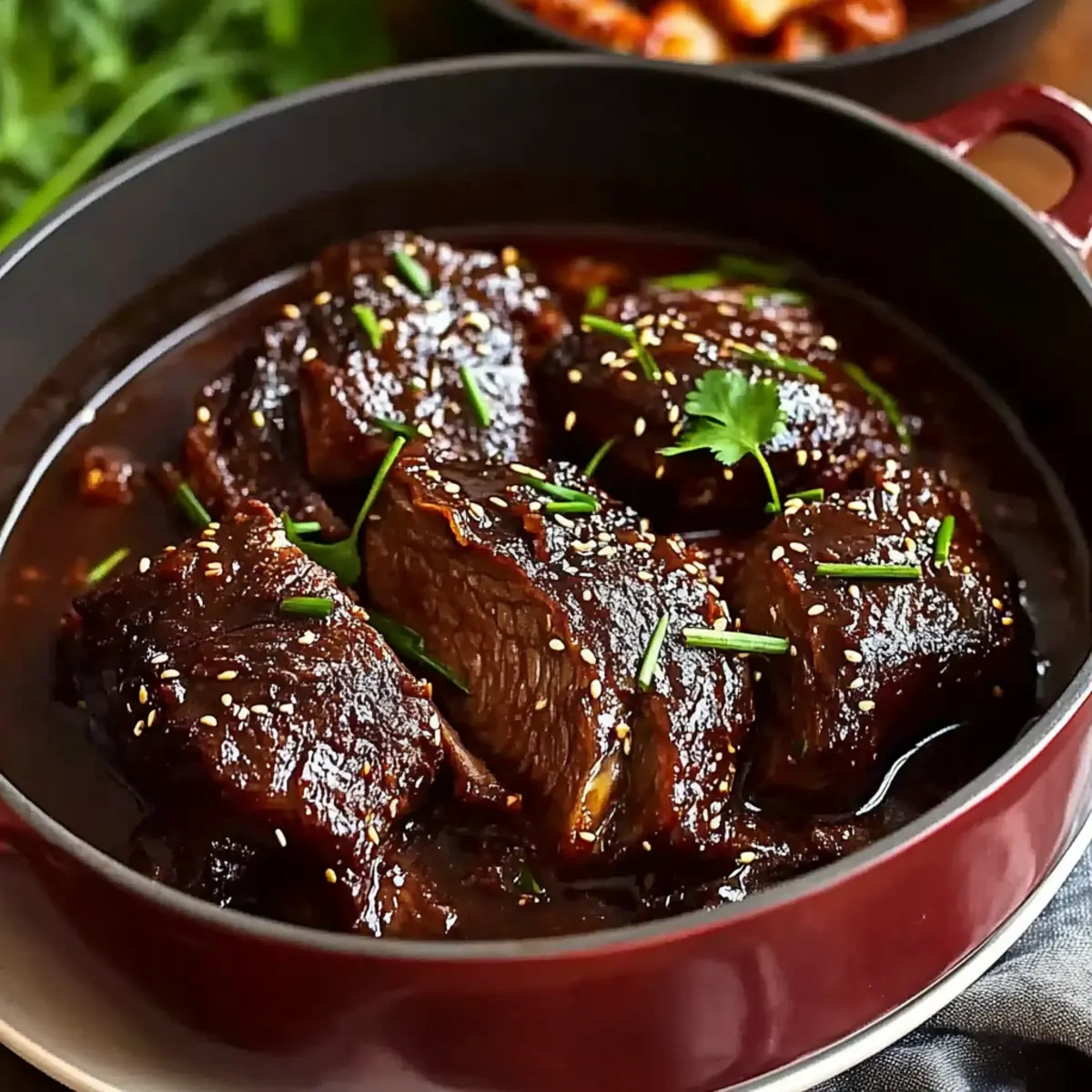
Savory Korean Pot Roast for Tender Family Dinners
Ingredients
Equipment
Method
- Preheat your oven to 350°F, ensuring the rack is positioned in the lower third.
- Pat the chuck roast dry with paper towels and season all sides with kosher salt.
- In a large Dutch oven, heat vegetable oil over medium-high until it shimmers.
- Carefully add the seasoned chuck roast and brown for about 5 minutes on each side.
- Lower heat to medium, add sliced sweet onions and sauté for about 4 minutes.
- Incorporate minced garlic and grated ginger, cooking for an additional minute.
- Stir in gochujang paste, brown sugar, and soy sauce, cooking for 1 minute.
- Return the browned chuck roast to the pot with any collected juices and add the remaining beef stock.
- Bring the mixture to a gentle simmer for 5 minutes.
- Cover the Dutch oven and transfer to the preheated oven. Braise for 2 hours.
- Once cooked, remove the pot from the oven and let the roast rest for 10-15 minutes.
- Serve the pot roast with cooked rice, garnished with fresh cilantro and a side of kimchi.
Leave a Reply