
As I flipped through my treasured cookbook, the warmth of daylight danced across the kitchen, igniting memories of cozy breakfasts. Homemade English muffins have always been a beacon of comfort in my culinary repertoire. These little gems, with their crispy outside and soft, fluffy inside, completely change the breakfast game. Imagine the aroma wafting through your home as they bake, banishing any leftover cravings for store-bought muffins. While creating these delights requires a dash of patience as the yeast works its magic, the results are undeniably rewarding. Perfect for a quick breakfast, they’re delightful with just butter, but versatile enough to star in a heartier meal, elevating your breakfast routine. Curious about how to whip up these delectable muffins and surprise your loved ones? Let’s get started!
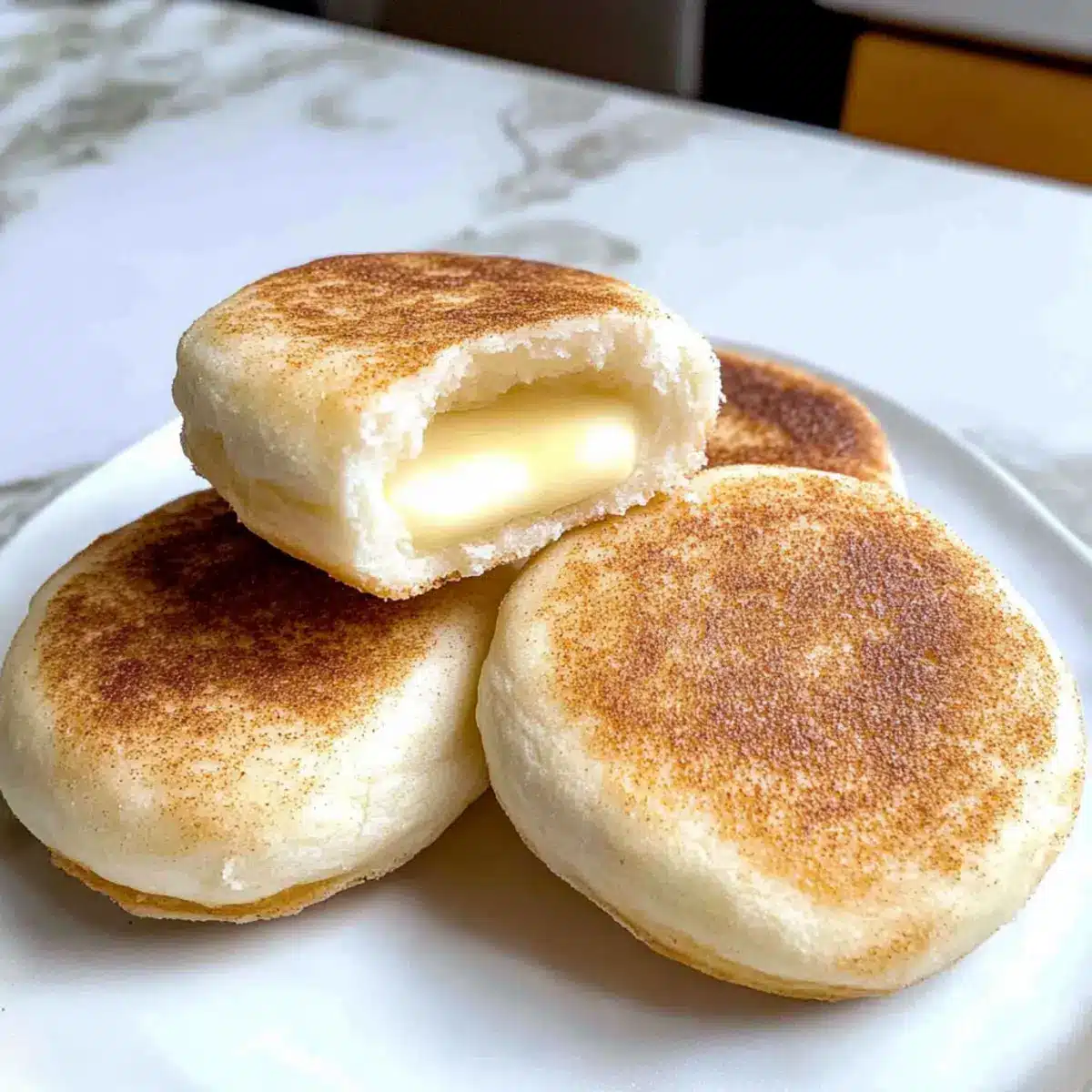
Why Make Homemade English Muffins?
Homemade English muffins are not just an ingredient; they’re an experience. Irresistible aroma fills your kitchen, creating an ambiance that’s hard to resist. Simple process means anyone can embark on this baking adventure with ease! Versatile delight—enjoy them with butter, jam, or even as the base for Eggs Benedict. Healthier option than store-bought, you can control the ingredients to suit your dietary needs. Perfect for gatherings—these muffins are sure to impress friends and family during brunch or special occasions.
Homemade English Muffin Ingredients
For the Muffins
• Warm Milk – Helps activate the yeast; use milk at around 110°F to avoid killing the yeast.
• Melted Butter – Adds flavor and a soft crumb; substitute with equal parts oil for a lighter taste.
• Large Egg – Essential for structure and tenderness, giving your muffins a perfect texture.
• Sugar – Enhances sweetness and balances flavors; just a minimal amount is needed.
• Instant Yeast – No pre-activation required; simplifies the baking process for your homemade English muffins.
• Salt – Elevates all the flavors in your muffins for a delicious taste.
• All-Purpose Flour – The foundation for structure; spoon and level for accuracy to prevent dryness.
• Cornmeal or Semolina – Sprinkled on the baking surface to create a traditional texture and prevent sticking.
Step‑by‑Step Instructions for Homemade English Muffins
Step 1: Prepare the Dough Mixture
In a stand mixer bowl, combine 1 cup of warm milk (around 110°F), 2 tablespoons of melted butter, 1 large egg, 1 tablespoon of sugar, 2 teaspoons of instant yeast, and 1 teaspoon of salt. Mix these ingredients thoroughly using a whisk until well-blended, ensuring everything is evenly distributed before moving to the next step.
Step 2: Add the Flour
Gradually add 3 cups of all-purpose flour to the mixer while using a dough hook at medium speed. Continue mixing for about 7-8 minutes until the dough transforms into a smooth, elastic ball. If the dough sticks to your fingers, it’s okay; it should feel slightly tacky but not overly sticky when done.
Step 3: Let the Dough Rise
Cover the bowl with a damp cloth and place it in a warm area to rise. Allow the dough to sit undisturbed for 60-90 minutes, or until it has doubled in size. Keep an eye on it; a properly risen dough should look puffy and have a few bubbles forming on the surface when it’s ready.
Step 4: Shape the Muffins
Once the dough has risen, punch it down gently to remove excess air. Transfer it to a well-floured surface and roll it out to a ¾-inch thick rectangle. Using a 2½-inch round cutter, cut out your English muffins carefully, ensuring to avoid twisting the cutter to keep the edges from sealing.
Step 5: Prepare for Second Rise
Transfer the cut muffins to a parchment-lined baking sheet lightly dusted with cornmeal to prevent sticking. Sprinkle the tops with more cornmeal, then cover the muffins with a kitchen towel. Allow them to rise for an additional 30 minutes until noticeably puffed.
Step 6: Cook the Muffins
Preheat a skillet over medium-low heat and lightly grease it with butter or cooking spray. Carefully place the risen muffins into the skillet in batches without overcrowding. Cook each side for 7-8 minutes, covering the skillet to retain heat, until they are golden brown and have a slight crust forming.
Step 7: Cool and Enjoy
Once cooked, remove the English muffins from the skillet and let them cool on a wire rack. This prevents them from becoming soggy. Once cooled, split them open with a fork for a perfect texture and enjoy your homemade English muffins toasted with butter or your favorite toppings!
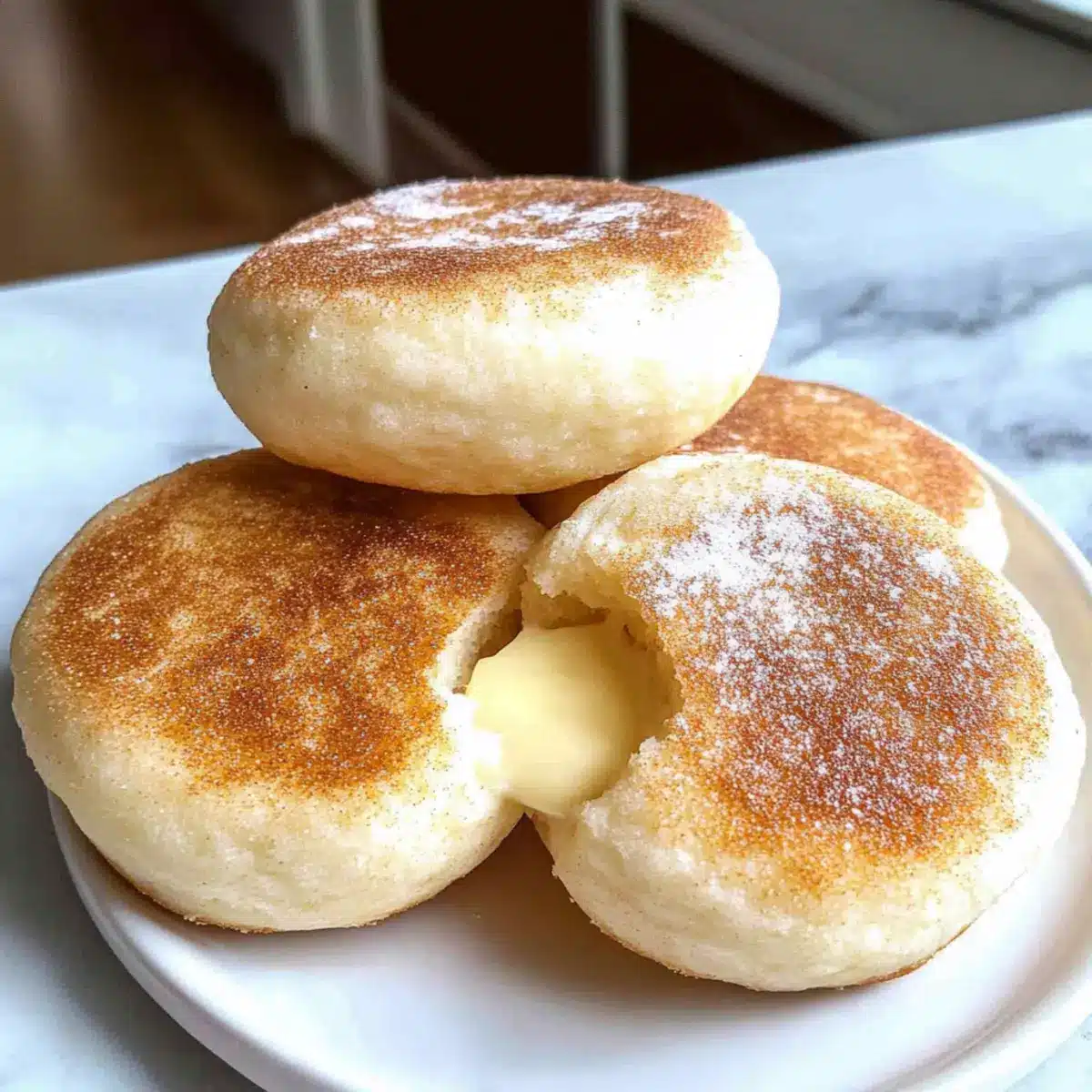
Homemade English Muffins Variations
Feel free to get creative with your homemade English muffins, elevating them to new flavor heights!
-
Whole Wheat: Substitute half the all-purpose flour with whole wheat for added fiber and a nuttier taste.
-
Herb-Infused: Mix in dried herbs like rosemary or oregano to the dough for a savory twist. These delightful flavors transform breakfast!
-
Cheesy Muffins: Add shredded cheese—cheddar or mozzarella—into the dough for an extra layer of richness, perfect for snacking or sandwiches.
-
Sweet Touch: Incorporate a bit of vanilla extract and some dried fruits like cranberries or raisins for a sweet variation. These muffins can make a delightful breakfast treat!
-
Spicy Kick: Add a pinch of cayenne pepper or chili flakes to the dough for a subtle spice, perfect for pairing with eggs or avocado.
-
Buttermilk Substitute: Swap warm milk for buttermilk for a tangy flavor and richer texture. Buttermilk muffins will have you coming back for seconds!
-
Eggs Benedict Base: Use these muffins to create a decadent Eggs Benedict with poached eggs and hollandaise sauce drizzled over. It’s a brunch favorite that never disappoints.
-
Cook on the Grill: If you have a grill, try cooking the muffins directly on it for a smoky flavor and beautiful grill marks—an exciting summer twist!
How to Store and Freeze Homemade English Muffins
Room Temperature: Store your homemade English muffins in an airtight container at room temperature for up to 2 days. This preserves their freshness and soft texture.
Fridge: If you’d like to extend their shelf life, you can refrigerate them for up to 1 week. Just ensure they are well-wrapped to avoid dryness.
Freezer: For longer storage, freeze the muffins in a single layer, then transfer to a freezer-safe bag. They can be frozen for up to 1 month.
Reheating: To enjoy your muffins after freezing, simply toast them directly from the freezer or microwave for about 15-20 seconds, and savor the deliciousness of your homemade English muffins once again!
Make Ahead Options
These homemade English muffins are perfect for meal prep enthusiasts! You can prepare the dough and refrigerate it for up to 24 hours before cooking, allowing for a convenient breakfast option on busy mornings. Simply follow all the steps through shaping the muffins, then cover them and store in the refrigerator. When you’re ready to enjoy, let them sit at room temperature for 30 minutes before cooking. This ensures they rise properly and retain their fluffy texture. Additionally, if you prefer, you can fully cook the muffins and freeze them for up to 1 month. Just pop them in the toaster when you’re ready to serve, and they’ll be just as delicious as fresh!
What to Serve with Homemade English Muffins?
Elevate your breakfast experience by pairing these delightful muffins with delicious sides and accompaniments.
- Creamy Scrambled Eggs: Fluffy eggs are a classic complement, adding richness and a protein-packed boost to your meal.
- Savory Bacon or Sausage: Crispy bacon or savory sausage links provide a delicious, hearty contrast to the muffins’ soft texture. There’s nothing quite like the sound of sizzling meat in the morning!
- Fresh Seasonal Fruit: Bright, juicy fruit like berries or melon adds freshness and a pop of color to your plate, balancing the richness of the muffins.
- Avocado Toast: Top a split muffin with smashed avocado, a sprinkle of salt, and chili flakes for a trendy and nutritious twist. This creamy topping makes for a delightful partnership!
- Homemade Jam: Spread a layer of your favorite fruit jam for a sweet touch that enhances the muffins’ subtle flavors, creating a delightful harmony with every bite.
- Coffee or Fresh Juice: Pair your meal with a steaming cup of coffee or refreshing orange juice to fully awaken your senses and make breakfast feel special.
Expert Tips for Homemade English Muffins
• Use the Right Temperature: Ensure your milk is warm but not hot (around 110°F). Too hot can kill the yeast, ruining the dough.
• Don’t Over Flour: Be cautious when adding flour; too much can dry out your muffins, leading to a dense texture.
• Watch the Heat: Maintain a medium-low skillet temperature. Cooking too fast may burn the outside while leaving the inside raw.
• Let Them Puff: Ensure your muffins rise properly during both rising stages. This is key to achieving that light and airy texture for your homemade English muffins.
• Split with a Fork: Use a fork to split the muffins before toasting; this preserves their lovely texture and creates ideal nooks for butter and toppings.
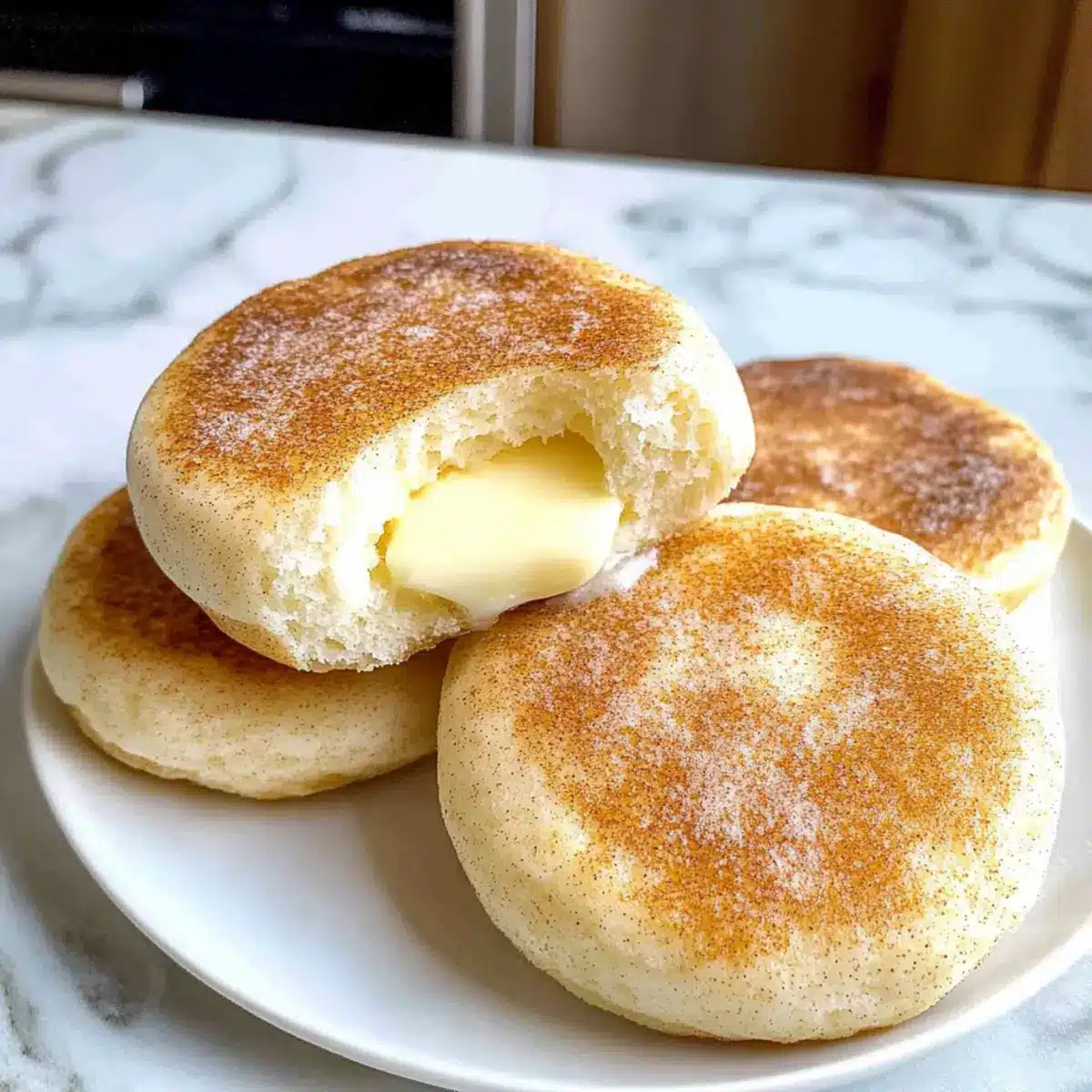
Homemade English Muffins Recipe FAQs
How do I select the right milk for homemade English muffins?
Absolutely! It’s best to use whole milk for a rich flavor, but any milk you’re comfortable with will do. Just make sure it’s warm (around 110°F) to properly activate the yeast without killing it.
What’s the best way to store homemade English muffins?
You can store your muffins in an airtight container at room temperature for up to 2 days. If you want to keep them fresh longer, refrigerate them for up to 1 week. Just be sure they’re wrapped well to prevent them from drying out!
Can I freeze homemade English muffins?
Yes! To freeze them, place them in a single layer on a baking sheet until firm, then transfer them to a freezer-safe bag. They can last up to 1 month. When you’re ready to enjoy them, toast them directly from the freezer or microwave for about 15-20 seconds for a quick treat!
Why are my homemade English muffins dense?
Oh, no! Dense muffins can happen if too much flour was added while mixing. Always be careful not to over-flour your dough. Also, ensure the dough rises properly; if it doesn’t double in size during the first rise, it may affect the texture.
Are homemade English muffins suitable for special diets?
Very! You can modify the recipe to suit various dietary needs. For instance, consider using whole wheat flour for added fiber or dairy-free milk alternatives to make them vegan. Just ensure your yeast is also suitable for your chosen dietary restrictions.
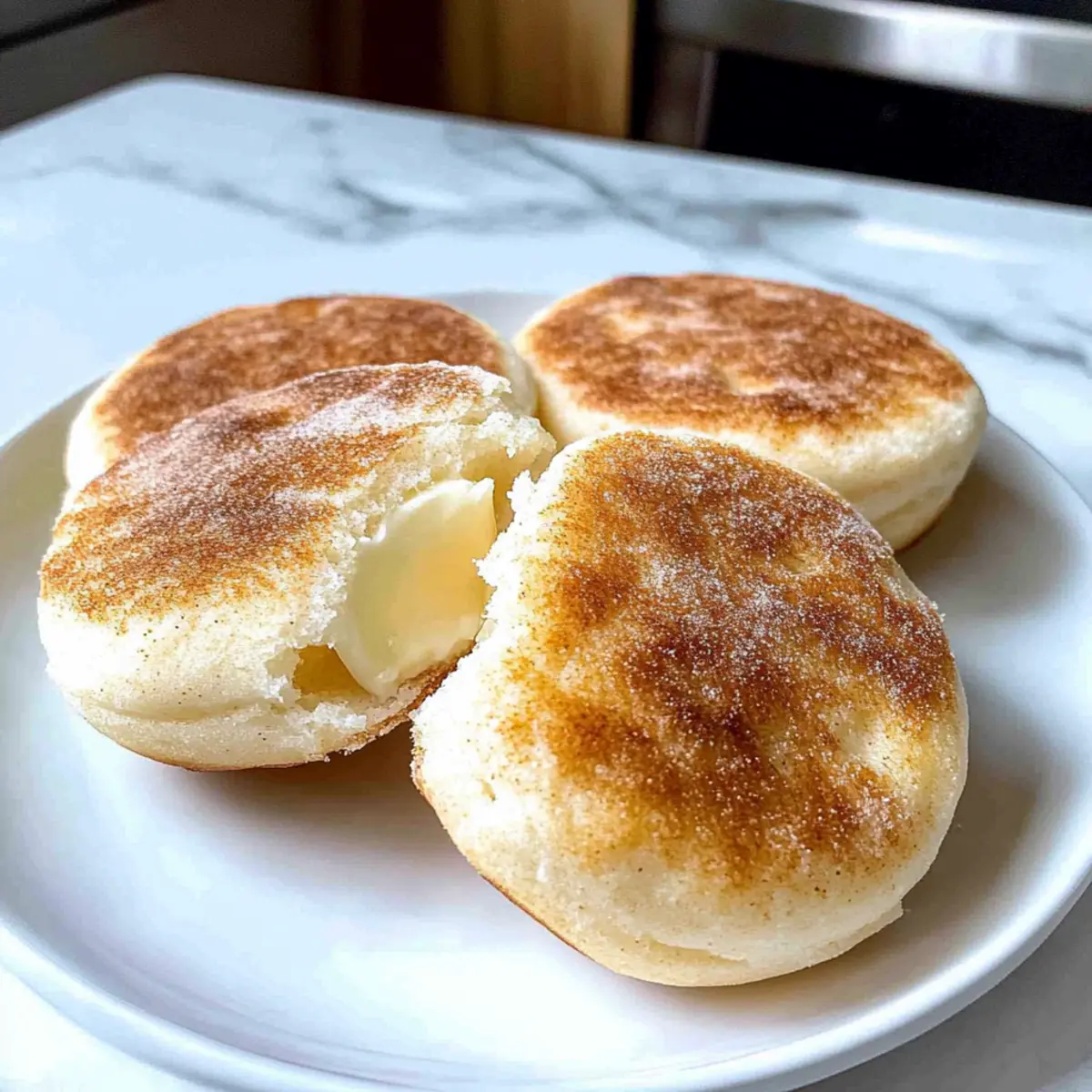
Homemade English Muffins: Soft, Fluffy, and Irresistible
Ingredients
Equipment
Method
- In a stand mixer bowl, combine warm milk, melted butter, egg, sugar, instant yeast, and salt. Mix thoroughly until well-blended.
- Gradually add all-purpose flour while using a dough hook at medium speed. Mix for 7-8 minutes until dough becomes smooth and elastic.
- Cover the bowl with a damp cloth and place in a warm area to rise for 60-90 minutes, until the dough doubles in size.
- Punch down the risen dough and roll it out to a ¾-inch thick rectangle. Cut out English muffins with a round cutter.
- Transfer cut muffins to a parchment-lined baking sheet dusted with cornmeal, cover with a towel, and let rise for 30 minutes.
- Preheat skillet over medium-low heat, lightly grease, and carefully place risen muffins in batches. Cook each side for 7-8 minutes.
- Remove muffins from the skillet and let cool on a wire rack. Split open with a fork and serve toasted with butter or toppings.
Leave a Reply