
Imagine stepping into a quaint Parisian café, the air rich with the aroma of freshly baked goods, and your eyes landing on a stunning French Butter Cake. This exquisite dessert captures the essence of French baking with its golden crust and tender, buttery crumb that melts delightfully in your mouth. What sets this French Butter Cake apart is its simplicity: it requires basic ingredients and straightforward preparation, making it an empowering experience whether you’re a novice or an experienced baker. Not overly sweet, this elegant cake is a fantastic option for any occasion, from a cozy afternoon treat to a dazzling centerpiece at your next gathering. Ready to impress your friends and family? Let’s dive into this easy-to-bake recipe that will elevate your dessert game!
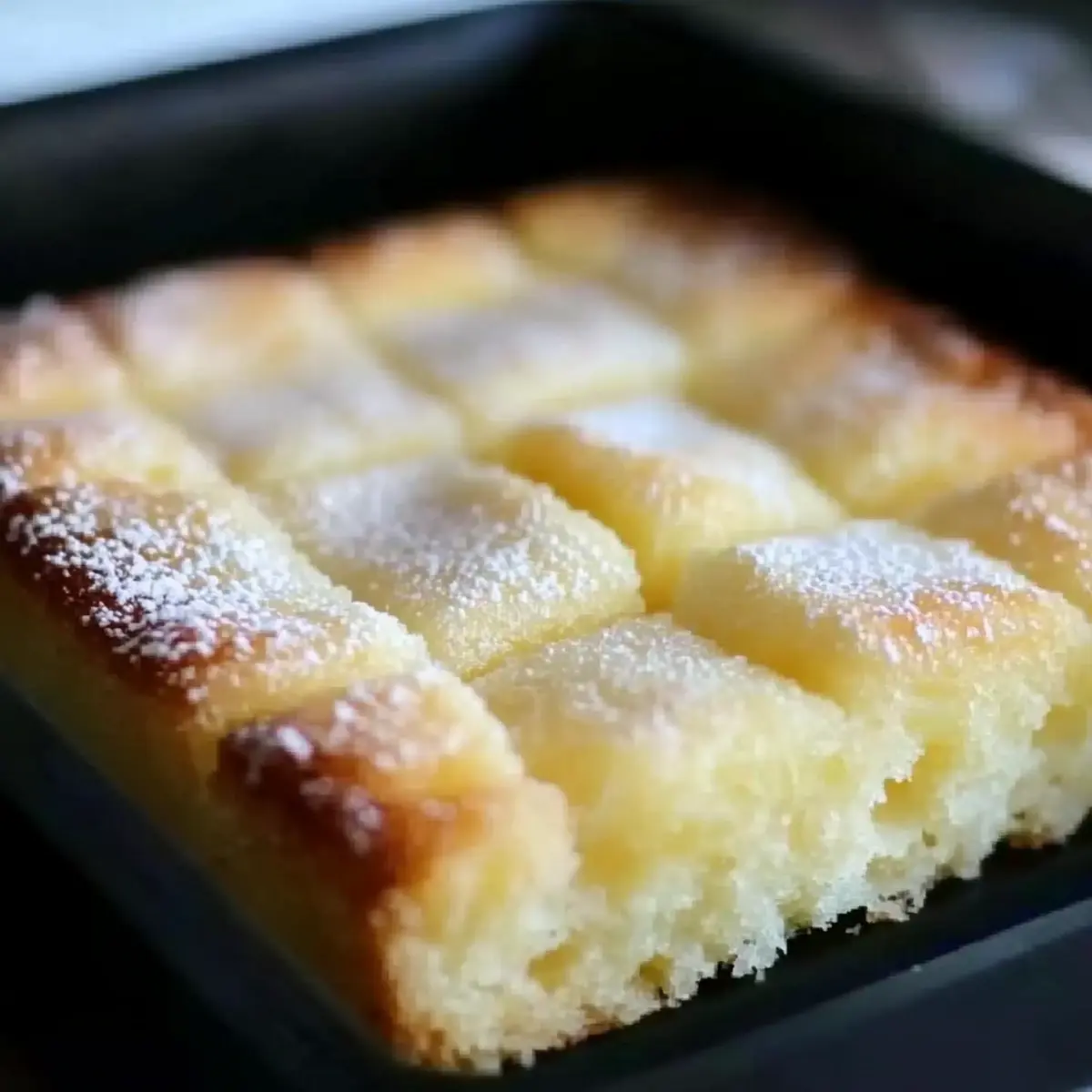
Why is this French Butter Cake special?
Sophisticated Flavor: The rich buttery taste is flawlessly balanced, making it a crowd-pleaser at any gathering.
Effortless Baking: With only a handful of simple ingredients, you’ll feel like a pro in no time.
Make-Ahead Magic: Prepare ahead of time and enjoy an even richer flavor the next day, perfect for busy schedules.
Versatile Delight: Serve it plain, dusted with powdered sugar, or alongside a scoop of crème fraîche for an elegant twist.
Unforgettable Texture: Experience the decadence of a tender crumb that melts in your mouth with each bite. For more delightful recipes, explore our Cinnamon Buttermilk Pancakes or the indulgent Indulge in Heavenly Raspberry Chocolate Mousse Cake for your next dessert.
French Butter Cake Ingredients
Elevate your baking game with these essential ingredients!
For the Cake
- Unsalted Butter – Provides richness and flavor; for the best results, use high-quality butter.
- Granulated Sugar – Adds sweetness and helps create a tender texture that everyone will love in this French Butter Cake.
- Eggs – Contributes moisture and structure; make sure they’re at room temperature for better mixing.
- Pure Vanilla Extract – Enhances the cake’s flavor; steer clear of imitation extracts for that genuine taste.
- All-Purpose Flour – Gives the cake its structure; it’s perfect for achieving the balance in texture.
- Baking Powder – Acts as a leavening agent, ensuring the cake rises beautifully.
- Salt – Balances sweetness and elevates overall flavors.
- Whole Milk or Heavy Cream – Increases moisture and richness in the batter; both options work wonderfully.
This collection of simple ingredients transforms into an elegant French Butter Cake that will both impress and delight!
Step‑by‑Step Instructions for French Butter Cake
Step 1: Preheat the Oven
Start by preheating your oven to 350°F (175°C). While it warms up, prepare a 9-inch cake pan by greasing it with butter and lining the bottom with parchment paper for easy removal later. This French Butter Cake needs a well-prepared pan, ensuring it bakes evenly and releases without sticking.
Step 2: Cream Butter and Sugar
In a large mixing bowl, add your softened unsalted butter and granulated sugar. Using an electric mixer, beat them together on medium speed for about 3–5 minutes, or until the mixture is light and fluffy. You should see a pale yellow color, which indicates that you’ve incorporated enough air for a tender cake.
Step 3: Incorporate the Eggs
Next, add the eggs one at a time to your creamed butter and sugar mixture. Mix well after each addition, ensuring the eggs are fully incorporated before adding the next. This process helps maintain the emulsion, leading to a richer texture in your French Butter Cake.
Step 4: Add Vanilla Extract
Pour in the pure vanilla extract, stirring until it’s fully blended into the batter. The warming aroma of vanilla will enhance the overall flavor of your French Butter Cake. Make sure to mix gently to avoid deflating the batter you’ve worked hard to fluff up.
Step 5: Combine Dry Ingredients
In a separate bowl, whisk together all-purpose flour, baking powder, and salt. This step ensures the baking powder and salt are evenly distributed throughout the flour. Once mixed, gradually add this dry combination to your wet batter while mixing on low speed. Stop as soon as you see no dry flour; overmixing can result in a dense cake.
Step 6: Add Milk or Cream
Now it’s time to pour in the whole milk or heavy cream into your batter. Mix gently until the batter is smooth and uniform, being careful not to overmix at this stage. The liquid will give your French Butter Cake its lovely moist texture while helping to bind all ingredients together.
Step 7: Transfer to Cake Pan
Once your batter is ready, carefully pour it into the prepared cake pan. Use a spatula to smooth the surface, ensuring it’s evenly distributed to promote uniform baking. This step is crucial for the final presentation of your beautifully golden French Butter Cake.
Step 8: Bake the Cake
Place the cake pan in your preheated oven and bake for 40–50 minutes. Keep an eye on it, and around the 40-minute mark, check for doneness by inserting a toothpick into the center. It’s ready when the top is golden brown and the toothpick comes out clean, indicating a moist yet fully cooked cake.
Step 9: Cool in the Pan
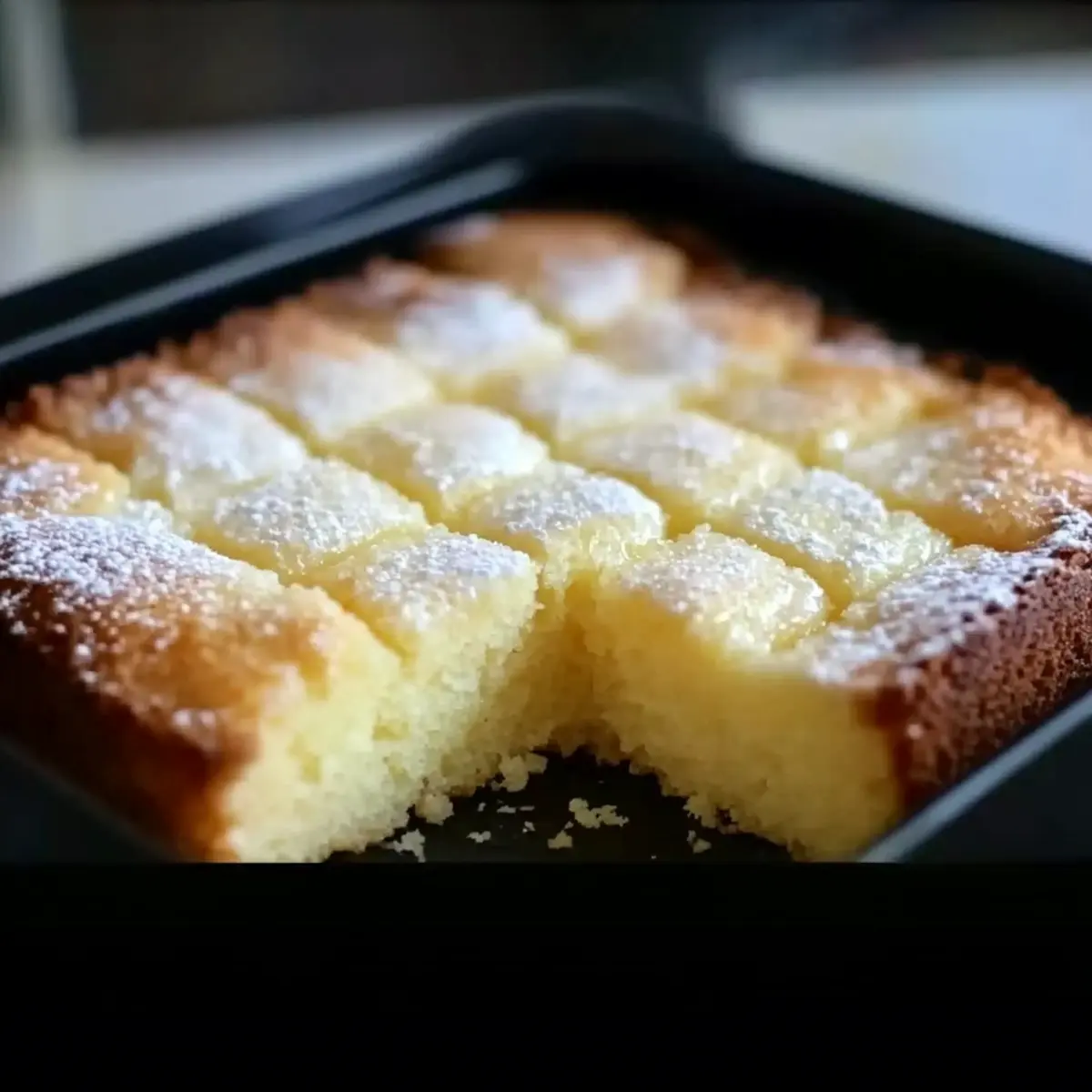
After removing the cake from the oven, let it cool in the pan for about 10–15 minutes. This cooling time allows the cake to set slightly, making it easier to transfer without crumbly mishaps. Then, gently run a knife around the edges and invert it onto a wire rack to cool completely.
Make Ahead Options
These elegant French Butter Cakes are a dream for meal prep! You can prepare the batter up to 24 hours in advance by mixing it and storing it in an airtight container in the refrigerator. Just remember to let it come to room temperature before pouring it into the cake pan when you’re ready to bake. Additionally, you can bake the cake and store it at room temperature for up to 3 days or refrigerate it for longer freshness. To maintain its moisture, wrap it in plastic wrap once fully cooled. When it’s time to serve, simply dust with powdered sugar or pair it with your favorite toppings for an effortlessly impressive dessert anytime!
Variations & Substitutions for French Butter Cake
Feel free to add your personal touch to this delightful French Butter Cake with these fun and easy substitutions!
-
Gluten-Free: Substitute all-purpose flour with a 1:1 gluten-free blend for an equally delicious cake. Enjoy the same tender crumb without the gluten!
-
Citrus Burst: Add lemon or orange zest to the batter for a refreshing citrus twist. This brightens up the flavor profile beautifully, capturing that zing of summer in every bite.
-
Nutty Flavor: Toss in some ground almonds or sliced almonds for added texture and a delightful nutty flavor. This brings a lovely crunch and an elegant touch reminiscent of classic French pastries.
-
Sweet Alternative: Swap granulated sugar for coconut sugar or honey for a unique sweetness with a hint of caramel flavor. Keep in mind, the cake may be darker in color, but every bite delivers a satisfying richness.
-
Decadent Layers: Transform your cake into a multi-layered treat by baking the batter in two or three pans. Layer with whipped cream and fresh berries for an impressive dessert display that makes any gathering special.
-
Flavored Cream: Instead of plain milk, try using buttermilk for a tangy twist or a splash of almond milk for a lighter option. Each variation adds its own special touch to this tender cake.
-
Dusted Delight: Serve it with a dusting of powdered sugar or a drizzle of lemon glaze after it cools. This improv shows off your creativity while enhancing the cake’s natural flavors.
Why not try serving this beautiful cake with a scoop of crème fraîche or alongside a slice of the indulgent Indulge in Heavenly Raspberry Chocolate Mousse Cake for a delightful dessert spread?
Ready to adapt and enjoy? Embrace your inner baker, and savor every delicious moment!
What to Serve with Classic French Butter Cake
Imagine a delightful gathering filled with laughter and love, where every forkful of your homemade cake is savored alongside the perfect companions.
-
Crème Fraîche: A dollop of crème fraîche adds a tangy richness that beautifully contrasts with the cake’s buttery flavor. It’s a decadent touch that feels indulgently French.
-
Fresh Berries: Bright, juicy berries like raspberries or strawberries lend a refreshing burst of flavor, adding both color and sweetness to each bite of cake. Their tartness complements the subtle sweetness of the butter cake perfectly.
-
Chocolate Ganache: Drizzling warm chocolate ganache over the cake brings an elegant touch, merging rich chocolatey flavors with the cake’s simplicity. This pairing will enchant any chocolate lover.
-
Vanilla Ice Cream: A scoop of creamy vanilla ice cream complements the cake’s tenderness, creating a delightful contrast in texture and temperature.
-
Lemon Zest Glaze: A light glaze made with powdered sugar and lemon juice brightens up the cake with a zingy flavor while enhancing its visual appeal. This pairing offers a refreshing twist.
-
Sparkling Rosé: This effervescent wine adds a touch of celebration, making it the perfect drink to serve alongside your French Butter Cake during special occasions. The fruity notes in the rosé enhance the cake’s flavors beautifully.
How to Store and Freeze French Butter Cake
Room Temperature: Keep the cake in an airtight container or tightly wrapped with plastic wrap at room temperature for up to 3 days to maintain its tender texture.
Fridge: If you plan to keep it longer, refrigerate it for up to a week. Make sure it’s stored in an airtight container to prevent it from absorbing any odors.
Freezer: To freeze, wrap the French Butter Cake tightly in plastic wrap, followed by aluminum foil. It can be kept in the freezer for up to 3 months.
Reheating: When you’re ready to enjoy, thaw in the fridge overnight and bring it to room temperature before serving. You can warm slices gently in the microwave if preferred.
Expert Tips for French Butter Cake
-
Room Temperature Ingredients: Use eggs and butter at room temperature to ensure better emulsification, leading to a fluffier cake.
-
Avoid Overmixing: Mix the batter just until combined, as overmixing can result in a dense texture rather than the desired tender crumb of the French Butter Cake.
-
Check Doneness Early: Oven temperatures can vary; start checking for doneness around 40 minutes to avoid overbaking and ensure a moist cake.
-
Proper Cooling: Allow the cake to cool in the pan for 10–15 minutes to prevent it from sticking or crumbling when you transfer it to a wire rack.
-
Experiment with Flavors: For a delightful twist, consider adding lemon zest or a bit of almond extract for an exciting flavor dimension without overpowering the richness of the French Butter Cake.
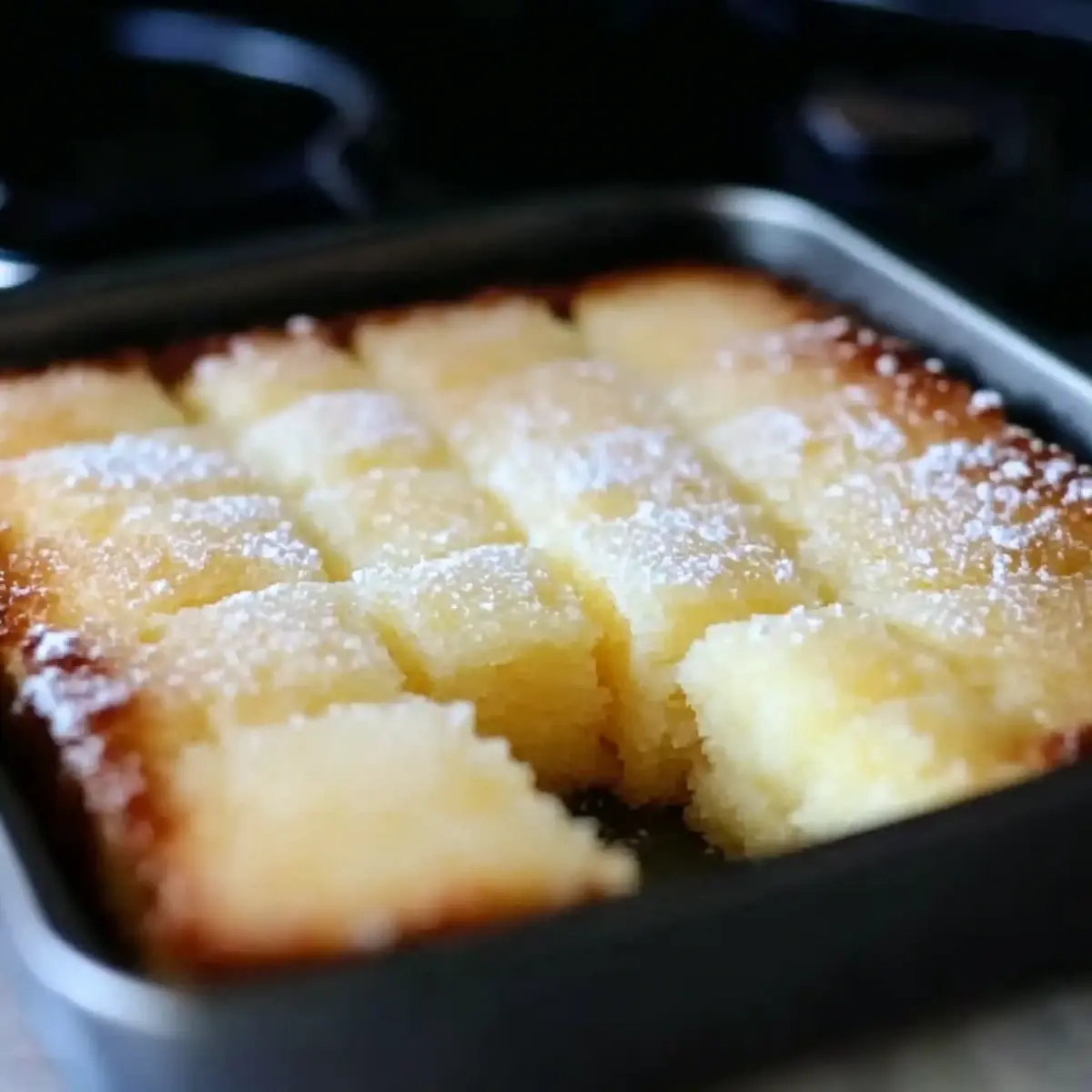
French Butter Cake Recipe FAQs
What is the best way to choose butter for this French Butter Cake?
Absolutely! For the best results, look for high-quality unsalted butter that is fresh. Check the packaging for a recent production date and try to opt for brands known for their rich flavor. The butter should be a soft, creamy yellow, not pale or overly soft, indicating it’s fresh and ready to lend its rich flavor to your cake.
How should I store my leftover French Butter Cake?
Very important! The cake can be kept in an airtight container at room temperature for up to 3 days, which helps maintain its tender texture. If you notice that the cake is not consumed within that timeframe, feel free to refrigerate it, as it can last up to a week when properly stored.
Can I freeze the French Butter Cake, and if so, how?
Of course! To freeze your French Butter Cake, wrap it tightly in plastic wrap, making sure no air is trapped inside. Then, secure it with a layer of aluminum foil to prevent freezer burns. Properly wrapped, it can be kept in the freezer for up to 3 months. When you’re ready to enjoy it, just thaw it in the fridge overnight before bringing it to room temperature.
What if my French Butter Cake comes out dense?
No worries at all! If your cake turns out denser than expected, it’s often due to overmixing the batter or using cold ingredients. Make sure to mix just until combined and allow your eggs and butter to reach room temperature before you start. This helps create a lighter texture, so keep those tips in mind for your next bake!
Is this French Butter Cake suitable for people with allergies?
Great question! This recipe contains common allergens including eggs, dairy, and gluten. If you need to accommodate allergies, you can try using a 1:1 gluten-free flour blend instead of all-purpose flour. Additionally, consider using dairy-free alternatives like almond milk and coconut oil for an equally delicious, allergy-friendly version!
How can I tell when my French Butter Cake is done baking?
Very helpful! Start checking for doneness around the 40-minute mark by inserting a toothpick into the center of the cake. If it comes out clean or with a few moist crumbs, your cake is perfect! The top should also be a lovely golden brown. Avoid opening the oven too frequently, which can interfere with the baking process.
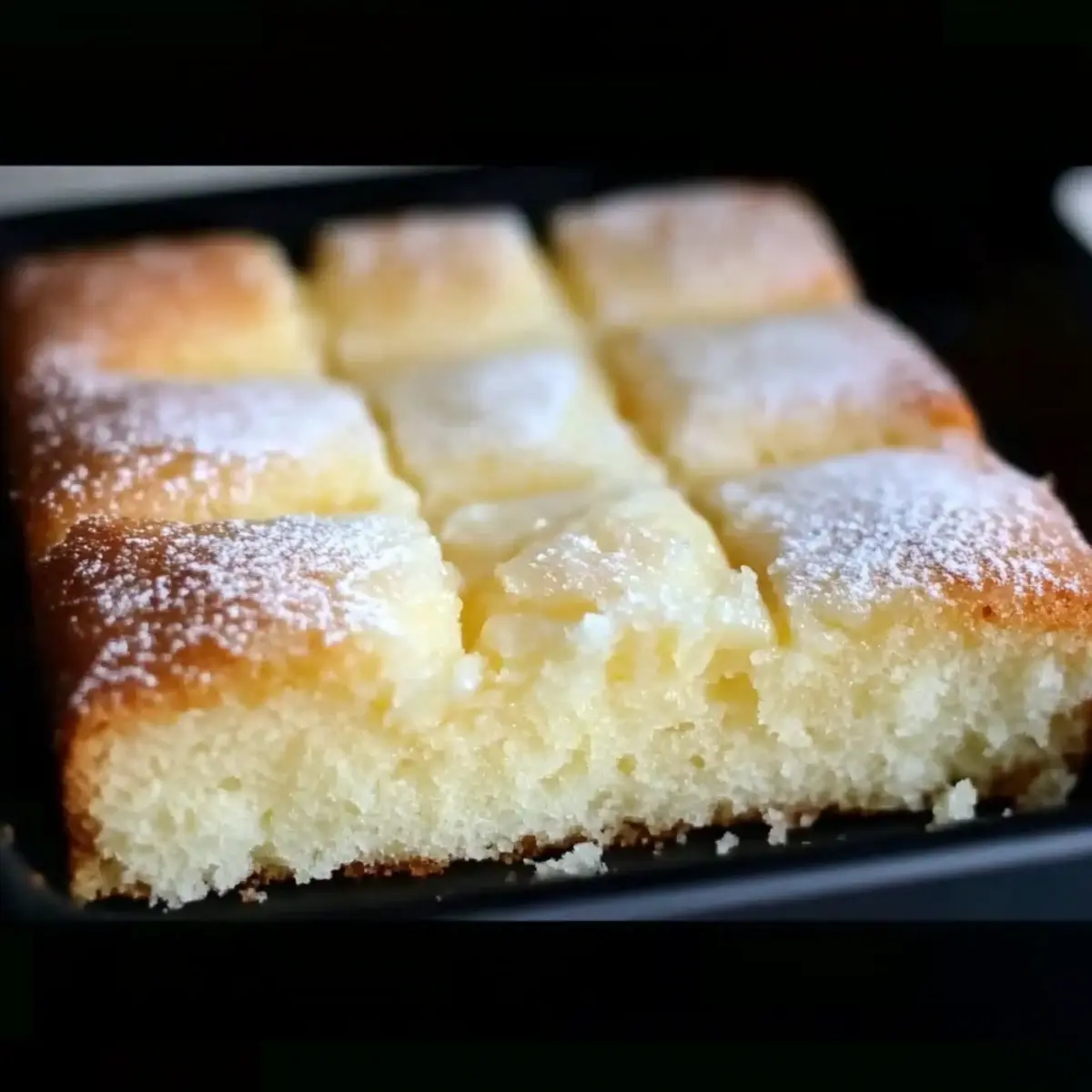
Delightful French Butter Cake: Easy, Tender, and Rich
Ingredients
Equipment
Method
- Preheat the oven to 350°F (175°C) and prepare a 9-inch cake pan by greasing it with butter and lining the bottom with parchment paper.
- In a large bowl, cream the softened butter and granulated sugar using an electric mixer until light and fluffy, about 3–5 minutes.
- Add the eggs one at a time, mixing well after each addition to maintain emulsion.
- Stir in the pure vanilla extract until fully blended into the batter.
- In a separate bowl, whisk together the flour, baking powder, and salt. Gradually add this dry mixture to the wet batter while mixing on low speed.
- Pour in the whole milk or heavy cream and mix gently until the batter is smooth and uniform.
- Pour the batter into the prepared cake pan and smooth the surface with a spatula.
- Bake in the preheated oven for 40–50 minutes, checking for doneness with a toothpick around the 40-minute mark.
- Let the cake cool in the pan for about 10–15 minutes before inverting onto a wire rack to cool completely.
Leave a Reply